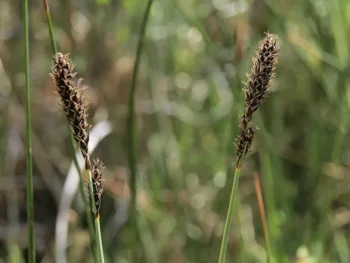
Idaho Sedge: A Rare Native Treasure for Western Gardens
Meet Idaho sedge (Carex idahoa), a perennial grass-like native that’s quietly making its mark in the mountain regions of the American West. While it might not be the flashiest plant in your garden center, this unassuming sedge offers something special for gardeners who appreciate native plants with authentic regional character.
Where Idaho Sedge Calls Home
Idaho sedge is a true native of the lower 48 states, naturally occurring across four western states: Idaho, Montana, Oregon, and Utah. This regional distribution makes it perfectly adapted to the unique growing conditions of the mountain West, where it has evolved alongside local wildlife and weather patterns for thousands of years.
- Species observed
- No observations
A Word About Rarity
Before you start planning where to plant Idaho sedge, there’s something important to know: this species has a Global Conservation Status of S2S3, indicating it’s relatively uncommon in the wild. While this shouldn’t discourage you from growing it, it does mean you should source your plants responsibly. Always purchase from reputable native plant nurseries that propagate rather than wild-harvest their stock.
What Makes Idaho Sedge Special
As a member of the sedge family (Cyperaceae), Idaho sedge brings that distinctive grass-like texture that landscape designers love. Sedges are the unsung heroes of native landscaping – they’re typically more tolerant of various conditions than true grasses and often provide better wildlife habitat.
This perennial sedge offers several appealing qualities:
- Year-round structure and texture
- Authentic regional character
- Low-maintenance once established
- Supports local ecosystem relationships
Garden Applications
Idaho sedge works beautifully in several garden settings:
- Native plant gardens: Perfect for authentic regional landscapes
- Naturalized areas: Excellent for transitional spaces between formal gardens and wild areas
- Wetland gardens: Its facultative wetland status means it thrives in moist conditions but adapts to drier sites
- Restoration projects: Ideal for habitat restoration in its native range
Growing Conditions and Care
Idaho sedge’s wetland status gives us clues about its preferred growing conditions. As a facultative wetland species, it usually grows in wetlands but can adapt to drier conditions. This flexibility makes it more garden-friendly than obligate wetland plants.
For successful growing:
- Moisture: Provide consistent moisture, especially during establishment
- Soil: Tolerates a range of soil types, from moist to moderately dry
- Sun exposure: Like most sedges, likely prefers full sun to partial shade
- Climate: Best suited for gardens within its native range of the mountain West
Planting and Establishment Tips
Since specific care information for Idaho sedge is limited, follow these general sedge-growing principles:
- Plant in spring or fall when temperatures are moderate
- Water regularly during the first growing season to establish roots
- Mulch around plants to retain moisture and suppress weeds
- Once established, sedges are typically drought-tolerant
- Cut back old foliage in late winter before new growth emerges
Supporting Wildlife
While specific wildlife benefits aren’t well-documented for Idaho sedge, native sedges are generally valuable for:
- Providing nesting material for birds
- Offering seeds for wildlife
- Creating habitat structure for small creatures
- Supporting native insect communities
The Bottom Line
Idaho sedge deserves consideration from gardeners in the mountain West who want to create authentic, regionally appropriate landscapes. Yes, it’s less common than other sedges, which means you’ll need to seek out responsible sources. But for gardeners committed to supporting native plant communities and creating habitat that truly belongs, Idaho sedge offers a chance to grow something genuinely special – a piece of your local natural heritage right in your own backyard.
Just remember: with rarity comes responsibility. Choose your sources wisely, and you’ll be part of preserving this native treasure for future generations to enjoy.