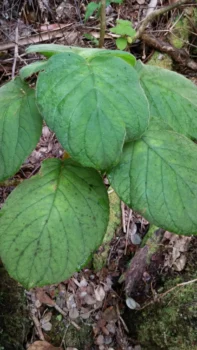
‘Ilihia: A Rare Hawaiian Native Worth Protecting in Your Garden
If you’re lucky enough to garden in Hawaii or a similar tropical climate, you might want to consider adding ‘ilihia (Cyrtandra platyphylla) to your landscape. This beautiful native Hawaiian shrub is more than just another pretty face in the garden—it’s a vulnerable species that deserves our attention and care.
What Makes ‘Ilihia Special?
‘Ilihia is a perennial shrub that typically grows 13 to 16 feet tall, though it can sometimes reach greater heights in ideal conditions. What really sets this plant apart are its broad, attractive leaves and delicate white to pale lavender tubular flowers that add a subtle elegance to any shade garden.
As a member of the African violet family (Gesneriaceae), ‘ilihia shares some characteristics with its houseplant cousins, but this Hawaiian native is built for outdoor tropical life. It’s a multi-stemmed woody plant that creates a lovely, full appearance in the landscape.
Where Does ‘Ilihia Come From?
‘Ilihia is endemic to the Hawaiian Islands, meaning you won’t find it growing wild anywhere else in the world. This makes it incredibly special—and unfortunately, increasingly rare.
- Species observed
- No observations
A Plant That Needs Our Help
Here’s something important every potential ‘ilihia grower needs to know: this plant has a Global Conservation Status of S3, which means it’s considered vulnerable. With typically only 21 to 100 occurrences and between 3,000 to 10,000 individuals remaining, ‘ilihia is at risk of disappearing from its native habitat.
But here’s the good news—by growing ‘ilihia responsibly in our gardens, we can help preserve this beautiful species for future generations. Just make sure you source your plants from reputable nurseries that propagate them ethically rather than collecting from wild populations.
Why Grow ‘Ilihia in Your Garden?
‘Ilihia brings several wonderful qualities to the right garden:
- Perfect for shade and partial shade areas where many plants struggle
- Attractive foliage provides year-round interest
- Supports native Hawaiian ecosystems and conservation efforts
- Flowers attract native Hawaiian insects and potentially birds
- Excellent choice for native Hawaiian gardens and habitat restoration projects
- Creates a lush, tropical understory effect
Growing Conditions and Care
‘Ilihia has some specific needs, but they’re not too demanding if you live in the right climate:
Climate Requirements: This is strictly a tropical plant, suited for USDA hardiness zones 10-12. If you don’t live in Hawaii or a similar tropical/subtropical climate, ‘ilihia unfortunately won’t survive in your garden.
Light: Shade to partial shade is ideal. In nature, ‘ilihia grows as an understory plant, so it’s adapted to filtered light conditions.
Soil: Well-draining but consistently moist soil works best. Think of the conditions in a tropical forest—the soil should be rich in organic matter but never waterlogged.
Water: Regular watering is essential, but good drainage is equally important. The plant has a Facultative Upland wetland status, meaning it usually prefers non-wetland conditions but can tolerate some moisture.
Humidity: High humidity levels are preferred, which makes sense given its Hawaiian rainforest origins.
Planting and Care Tips
- Choose a sheltered location protected from strong winds
- Amend soil with plenty of organic matter like compost or leaf mold
- Water regularly during dry periods, but ensure good drainage
- Apply organic mulch to help retain moisture and suppress weeds
- Minimal pruning needed—just remove dead or damaged branches
- Watch for signs of stress during particularly dry or windy periods
The Bottom Line
‘Ilihia is a special plant that deserves a place in appropriate gardens, not just for its beauty but for its conservation value. If you live in a tropical climate and want to create a shade garden that supports native Hawaiian biodiversity, this vulnerable species is worth seeking out—just make sure you’re getting your plants from responsible sources.
By choosing to grow ‘ilihia, you’re not just adding an attractive shrub to your landscape; you’re participating in the preservation of Hawaii’s unique botanical heritage. And that’s something pretty wonderful to have growing in your backyard.