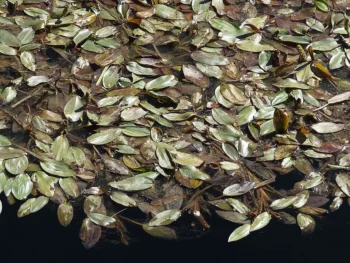
Illinois Pondweed: A Native Aquatic Beauty for Your Water Garden
If you’re looking to add authentic North American charm to your pond or water feature, Illinois pondweed might just be the submerged treasure you’ve been searching for. This graceful aquatic perennial brings both ecological value and subtle beauty to freshwater environments across the continent.
What is Illinois Pondweed?
Illinois pondweed (Potamogeton illinoensis) is a native North American aquatic plant that spends most of its life completely underwater. As a perennial forb, it lacks woody tissue but returns year after year, forming colonies beneath the water’s surface with its elongated, translucent leaves that dance gracefully with water currents.
You might also encounter this plant listed under its scientific synonyms, including Potamogeton angustifolius or Potamogeton heterophyllus in older references.
Where Does It Call Home?
This adaptable native has one of the most impressive ranges you’ll find in North American flora. Illinois pondweed grows naturally across most of the lower 48 states, throughout much of Canada (including British Columbia, Manitoba, Ontario, Quebec, and the Northwest Territories), and even reaches as far south as Puerto Rico. From Alabama to Wyoming, and from California to Maine, this plant has made itself at home in suitable aquatic habitats.
- Species observed
- No observations
A Word of Caution: Rarity Considerations
While Illinois pondweed thrives across most of its range, it faces challenges in some areas. In New Jersey, this species is listed as Endangered with an S1 rarity status, meaning it’s critically imperiled in that state. If you’re considering adding this plant to your water garden, please source it responsibly from reputable native plant suppliers rather than wild-collecting.
Why Choose Illinois Pondweed for Your Water Garden?
There are several compelling reasons to consider this native aquatic plant:
- Authentic Native Beauty: Adds genuine North American character to water features
- Wildlife Support: Provides habitat and food sources for aquatic wildlife
- Pollinator Value: Small flower spikes that emerge above water offer nectar to water-visiting insects
- Natural Water Filtration: Helps maintain water quality by absorbing nutrients
- Low Maintenance: Once established, requires minimal care
Perfect for Specific Garden Types
Illinois pondweed isn’t for every garden—it has very specific needs. This plant is ideal for:
- Natural or naturalistic ponds
- Water gardens with depths of 1-10 feet
- Wetland restoration projects
- Large aquatic features where submerged plants are desired
- Educational or demonstration gardens focusing on native aquatics
Growing Conditions: Water is Everything
As an obligate wetland plant, Illinois pondweed has non-negotiable water requirements. Here’s what it needs to thrive:
- Water Depth: 1-10 feet of standing or slow-moving freshwater
- Water Quality: Clean, non-polluted freshwater
- Substrate: Muddy or sandy pond bottom
- Sunlight: Full sun to partial shade (light can penetrate water)
- Climate: Hardy in USDA zones 3-9
Planting and Care Tips
Successfully establishing Illinois pondweed requires understanding its aquatic lifestyle:
- Planting Method: Plant rhizome divisions directly into pond substrate or use weighted plantings
- Timing: Spring planting allows establishment before peak growing season
- Water Levels: Maintain consistent water levels—dramatic fluctuations can stress the plant
- Fertilization: Generally unnecessary, as the plant absorbs nutrients from water and sediment
- Winter Care: In colder zones, plants die back to roots and return in spring
Is Illinois Pondweed Right for Your Garden?
This native aquatic plant is perfect for gardeners who want to create authentic freshwater habitats or support local ecosystems. However, it’s not suitable for small water features, container water gardens, or areas where you need plants that extend above water level.
Consider Illinois pondweed if you have a natural pond, large water feature, or are involved in wetland restoration. Skip it if you’re looking for showy flowering aquatics or plants for shallow water gardens.
Remember to source your plants responsibly, especially if you’re in regions where the species faces conservation challenges. When grown thoughtfully, Illinois pondweed can be a valuable addition to the right aquatic garden, supporting both wildlife and water quality while connecting your landscape to North America’s rich aquatic heritage.