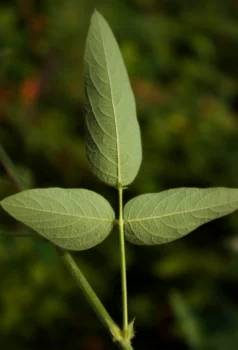
Illinois Ticktrefoil: A Rare Prairie Gem Worth Protecting
Meet Illinois ticktrefoil (Desmodium illinoense), a charming native wildflower that’s quietly disappearing from our landscapes. This delicate perennial forb once danced across prairies throughout the Midwest and Great Plains, but today it’s become increasingly rare. If you’re passionate about native plants and conservation, this lovely species deserves a spot on your radar—though with some important caveats about responsible sourcing.
What is Illinois Ticktrefoil?
Illinois ticktrefoil is a native North American perennial that belongs to the legume family. As a forb, it’s an herbaceous plant without woody stems, growing fresh from the ground each year from its established root system. You might also see it listed under its scientific synonym, Meibomia illinoensis, in older plant references.
Where Does Illinois Ticktrefoil Grow?
This prairie native originally called home a broad swath of North America, spanning from southern Canada down through the central United States. Today, you can find Illinois ticktrefoil growing (though often rarely) in Arkansas, Ontario, Illinois, Indiana, Iowa, Kansas, Kentucky, Michigan, Minnesota, Missouri, Nebraska, Ohio, Oklahoma, South Dakota, Texas, and Wisconsin.
- Species observed
- No observations
Important Rarity Alert
Before you rush to plant Illinois ticktrefoil, here’s something crucial to know: This species is listed as S2 (imperiled) in both Arkansas and Illinois, meaning it’s at risk of disappearing from these states. If you’re interested in growing this plant, please only source it from reputable native plant nurseries that propagate from ethically collected seed—never harvest from wild populations.
Why Grow Illinois Ticktrefoil?
Despite its rarity challenges, there are compelling reasons to include Illinois ticktrefoil in your native garden:
- Pollinator magnet: The small pink to purple flowers bloom in delicate clusters, attracting bees, butterflies, and other native pollinators
- Prairie authenticity: Perfect for prairie restoration projects and naturalized garden areas
- Low maintenance: Once established, it’s remarkably drought tolerant and requires minimal care
- Conservation value: By growing responsibly sourced plants, you’re helping preserve genetic diversity
- Delicate beauty: The trifoliate leaves and airy flower clusters add subtle texture to native plantings
Growing Conditions and Care
Illinois ticktrefoil is surprisingly adaptable once you understand its preferences:
- Sunlight: Thrives in full sun to partial shade
- Soil: Adaptable to various soil types, prefers well-draining conditions
- Moisture: Drought tolerant once established, handles dry to medium moisture levels
- Hardiness: Cold hardy in USDA zones 4-8
Planting and Care Tips
Growing Illinois ticktrefoil successfully is refreshingly straightforward:
- Plant in spring after the last frost date
- Space plants 12-18 inches apart to allow for natural spreading
- Water regularly during the first growing season to establish strong roots
- Once established, minimal watering is needed except during severe drought
- Allow plants to go to seed if you want natural reseeding (but monitor for appropriate spread)
- No fertilizer needed—as a legume, it actually fixes nitrogen in the soil
Perfect Garden Partners
Illinois ticktrefoil shines in prairie-style gardens and restoration projects. Pair it with other native grasses and wildflowers like little bluestem, purple prairie clover, and wild bergamot for an authentic prairie look that supports local ecosystems.
The Bottom Line
Illinois ticktrefoil is a worthy addition to any native plant enthusiast’s garden, but it comes with responsibility. Its rarity status reminds us that even common native plants can become uncommon quickly. By choosing to grow this species—with properly sourced material—you’re not just adding beauty to your landscape; you’re participating in conservation. Just remember: always buy from reputable native plant nurseries, never collect from the wild, and help spread the word about this charming prairie gem that deserves our protection.