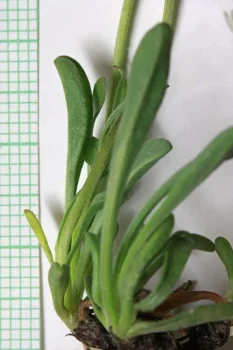
Indian Canyon Fleabane: A Rare Utah Native Worth Protecting
Meet Indian Canyon fleabane (Erigeron untermannii), a charming little wildflower that’s as rare as it is beautiful. This delicate perennial is one of Utah’s botanical treasures, and if you’re lucky enough to encounter it, you’re looking at something truly special.
What Makes This Plant So Special?
Indian Canyon fleabane is a native forb—basically a non-woody flowering plant—that calls Utah home. Unlike many plants that spread across multiple states, this little beauty is what botanists call endemic, meaning it’s found naturally in just one place: Utah. You might also see it listed under its synonym, Erigeron carringtoniae, but don’t let the name confusion fool you—we’re talking about the same remarkable plant.
A Plant in Need of Protection
Here’s where things get serious: Indian Canyon fleabane has a Global Conservation Status of S2, which means it’s imperiled. With typically only 6 to 20 known occurrences and fewer than 3,000 individuals remaining in the wild, this plant is genuinely rare. If you’re considering adding it to your garden, that’s wonderful—but please, please source it responsibly from reputable native plant nurseries that propagate rather than wild-collect their stock.
Where Does It Grow?
This fleabane is exclusively found in Utah, living up to its common name with strong ties to the Indian Canyon area. As a true Utah native, it’s perfectly adapted to the state’s unique climate and growing conditions.
- Species observed
- No observations
What Does It Look Like?
Like other members of the fleabane family, Indian Canyon fleabane produces small, daisy-like flowers with delicate petals surrounding a cheerful yellow center. The flowers are typically white to pale pink and have that classic wildflower meadow charm that makes them perfect for naturalistic garden designs.
Why Grow Indian Canyon Fleabane?
If you can source it responsibly, here’s why this plant deserves a spot in your Utah native garden:
- You’re directly supporting conservation efforts by growing rare native plants
- It’s perfectly adapted to Utah’s climate, meaning less water and maintenance once established
- The flowers likely attract native pollinators like small bees, flies, and butterflies
- It adds authentic local character to native plant gardens and naturalized areas
- As a perennial, it will return year after year with proper care
How to Grow It Successfully
While specific growing information for this rare species is limited, we can make educated guesses based on other Utah native fleabanes and its natural habitat:
- Soil: Provide excellent drainage—this is crucial for most Utah natives
- Sun exposure: Full sun to partial shade
- Water: Once established, it should need minimal supplemental watering
- Hardiness: Likely suitable for USDA zones 4-8
- Garden style: Perfect for rock gardens, native plant gardens, or xeriscaped areas
A Word of Caution and Encouragement
Growing rare native plants like Indian Canyon fleabane is both a privilege and a responsibility. Never collect from wild populations—this could push an already imperiled species closer to extinction. Instead, seek out specialty native plant nurseries that work with conservation organizations to propagate rare species.
By choosing to grow responsibly sourced Indian Canyon fleabane, you become part of a conservation network helping to preserve Utah’s unique botanical heritage. It’s a small but meaningful way to ensure that future generations can enjoy these remarkable plants both in gardens and in their native habitats.
Remember, gardening with rare natives isn’t just about having something unusual in your yard—it’s about being a steward of your local ecosystem and helping to protect the plants that make your region special.