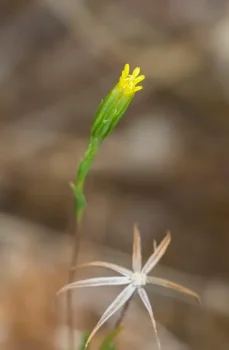
Indian Headdress: A Rare California Native Worth Protecting
If you’re passionate about California native plants, you might have stumbled across the intriguing name Indian headdress in your research. This little-known annual wildflower, scientifically called Tracyina rostrata, represents one of California’s botanical treasures – and one of its rarest finds.
What Makes Indian Headdress Special?
Indian headdress is a native annual forb that belongs exclusively to California’s diverse flora. As an annual plant, it completes its entire life cycle within a single growing season, sprouting from seed, flowering, setting seed, and dying back each year. This herbaceous wildflower lacks the woody stems of shrubs and trees, instead producing soft, green growth that emerges fresh each season.
Where Does Indian Headdress Grow?
This rare gem is endemic to California, meaning it naturally occurs nowhere else on Earth. Its distribution within the Golden State is extremely limited, making it one of those needle in a haystack plants that botanists and native plant enthusiasts dream of encountering.
- Species observed
- No observations
The Rarity Factor: Why This Matters
Here’s where things get serious: Indian headdress carries a conservation status of S1S2, which indicates it’s genuinely rare and potentially vulnerable. This classification means the plant faces real conservation challenges, whether due to habitat loss, limited distribution, or small population sizes.
For gardeners, this rarity status comes with important responsibilities. While we absolutely want to celebrate and protect California’s native plants, extremely rare species like Indian headdress require special consideration.
Should You Plant Indian Headdress?
The short answer is: probably not, unless you’re working with conservation professionals. Here’s why:
- Seeds or plants are likely unavailable through normal commercial channels
- Any available material must be responsibly sourced to avoid impacting wild populations
- The plant’s specific growing requirements are not well-documented
- Limited information exists about successful cultivation
If you’re determined to work with this species, connect with California native plant societies, botanical gardens, or conservation organizations that might have legitimate conservation programs.
Better Alternatives for Your Garden
Instead of seeking out this rare treasure, consider these more available California native annuals that can bring similar wildflower charm to your garden:
- California poppies (Eschscholzia californica)
- Baby blue eyes (Nemophila menziesii)
- Clarkia species
- Annual lupines
- Tidytips (Layia species)
These alternatives offer reliable beauty, proven garden performance, and the satisfaction of supporting native pollinators without the conservation concerns.
How You Can Help
Even if you can’t grow Indian headdress in your garden, you can still support its conservation:
- Donate to organizations working on California native plant conservation
- Participate in citizen science projects that document rare plant populations
- Choose other native plants for your garden to support overall ecosystem health
- Spread awareness about the importance of protecting rare native species
The Bigger Picture
Indian headdress reminds us that native plant gardening isn’t just about what we can grow – it’s about understanding and protecting the full spectrum of our natural heritage. Sometimes the most meaningful way to honor a rare plant is to give it the space it needs to survive in the wild while we celebrate its more common cousins in our gardens.
By choosing abundant native alternatives and supporting conservation efforts, we can create beautiful, ecologically valuable gardens while helping ensure that future generations might still have the chance to encounter genuine rarities like Indian headdress in their natural California habitats.