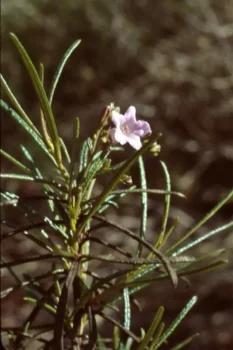
Indian Knob Mountainbalm: A Critically Endangered California Native Worth Protecting
Meet one of California’s rarest botanical treasures: the Indian Knob mountainbalm (Eriodictyon altissimum). This unassuming native shrub might not win any flashy garden contests, but it holds a critically important place in California’s natural heritage—and unfortunately, it’s teetering on the edge of extinction.
What Makes This Plant Special?
Indian Knob mountainbalm is a perennial shrub that typically grows as a multi-stemmed woody plant, usually staying under 13-16 feet in height. Like other members of the Eriodictyon family, it produces clusters of small, tubular flowers that range from white to pale pink, creating a delicate display that native pollinators absolutely love.
But here’s what makes this particular mountainbalm truly special: it’s found nowhere else on Earth except for a tiny area in California’s San Francisco Bay region. This endemic status, combined with its critically imperiled conservation ranking, makes it one of the state’s most precious botanical rarities.
Where Does It Grow Naturally?
Eriodictyon altissimum is native to California and grows exclusively in a very limited range within the state. Its natural habitat is so restricted that it has earned a Global Conservation Status of S1, meaning it’s critically imperiled with typically fewer than 5 occurrences and very few remaining individuals in the wild.
- Species observed
- No observations
The Conservation Reality Check
Let’s be honest about the situation: Indian Knob mountainbalm is listed as Endangered in the United States, with fewer than 1,000 individuals believed to exist in the wild. This isn’t a plant you’ll find at your local nursery, nor should you expect to stumble across it during a casual hike.
If you’re considering growing this species, you absolutely must ensure that any plant material comes from responsible, legally authorized sources that support conservation efforts rather than depleting wild populations.
Growing Indian Knob Mountainbalm: A Conservation Commitment
Should you grow this endangered beauty? Only if you’re genuinely committed to conservation and can source plants responsibly. Here’s what you need to know:
Ideal Growing Conditions
- USDA hardiness zones 9-10
- Full sun to partial shade
- Well-draining soils (excellent drainage is crucial)
- Drought-tolerant once established
- Minimal water requirements after the first growing season
Garden Role and Landscape Use
This mountainbalm works best in specialized settings:
- Native plant conservation gardens
- Botanical collections focused on rare species
- Drought-tolerant landscapes with other California natives
- Wildlife gardens designed to support native pollinators
Benefits for Wildlife and Pollinators
Despite its rarity, Indian Knob mountainbalm punches above its weight when it comes to supporting local ecosystems. The tubular flowers attract native bees, butterflies, and other specialized pollinators that have co-evolved with California’s native flora. By growing this species (responsibly), you’re providing crucial habitat for these often-overlooked creatures.
Planting and Care Tips
If you’ve managed to source this plant through legitimate conservation channels, treat it like the treasure it is:
- Plant in fall for best establishment
- Ensure impeccable drainage—soggy soils are a death sentence
- Water regularly the first year, then reduce significantly
- Avoid fertilizers, which can harm native plants adapted to lean soils
- Protect from foot traffic and disturbance
- Consider sharing seeds or cuttings with other conservation-minded gardeners (with proper permits)
The Bottom Line
Indian Knob mountainbalm represents both the incredible diversity of California’s native flora and the urgent need for conservation action. While most gardeners should focus on more readily available native alternatives, those truly committed to conservation efforts may find growing this species to be a meaningful way to participate in preserving California’s botanical heritage.
Remember: with great rarity comes great responsibility. If you choose to grow Indian Knob mountainbalm, you’re not just adding a plant to your garden—you’re becoming a guardian of one of California’s most endangered species.