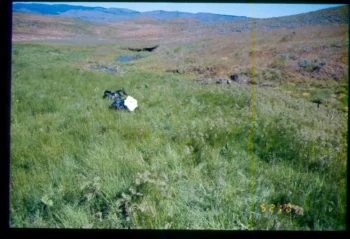
Indian Valley Sedge: A Critically Rare Native Worth Protecting
Meet one of Idaho’s most precious botanical treasures: Indian Valley sedge (Carex aboriginum). This isn’t your typical garden center find – in fact, you’ll never see it there, and for good reason. This extraordinary native sedge is so rare that it’s earned a critically imperiled conservation status, making it one of the most endangered plants in the American West.
What Makes Indian Valley Sedge Special?
Indian Valley sedge is a perennial grass-like plant that belongs to the sedge family (Cyperaceae). Like other sedges, it’s not actually a true grass, though it shares that familiar grassy appearance that makes sedges such valuable landscape plants. This particular species is native to the lower 48 states, but don’t let that broad description fool you – its actual range is incredibly tiny.
Where Does It Call Home?
Here’s where things get really interesting (and concerning). Carex aboriginum is found exclusively in Idaho, and not just anywhere in Idaho – it’s restricted to an extremely small area. With a Global Conservation Status of S1, this means there are typically five or fewer known populations, with very few remaining individuals (fewer than 1,000 plants total). That’s what botanists call critically imperiled, and it’s about as rare as a plant can get before disappearing entirely.
- Species observed
- No observations
A Wetland Specialist
Indian Valley sedge is what we call an obligate wetland species, meaning it almost always occurs in wetland environments. This classification holds true across both the Arid West and Western Mountains regions where it’s found. This wetland dependency is both a key to understanding its needs and a clue to why it’s become so rare – wetland habitats are among the most threatened ecosystems in the American West.
Should You Try to Grow It?
Here’s where we need to have a serious conversation. While Indian Valley sedge is undoubtedly a fascinating native plant, its extremely rare status means it’s not appropriate for home cultivation. Here’s why:
- It’s not commercially available (and shouldn’t be)
- Collecting from wild populations could contribute to its extinction
- Its specific habitat requirements are not well understood
- Conservation efforts should focus on protecting existing populations
Better Alternatives for Your Garden
If you’re drawn to the idea of growing native sedges (and you should be – they’re wonderful!), consider these more common and sustainable alternatives that offer similar ecological benefits:
- Nebraska sedge (Carex nebrascensis) – another wetland species that’s more widely available
- Inflated sedge (Carex vesicaria) – great for wet areas and wildlife
- Clustered field sedge (Carex praegracilis) – more drought-tolerant option
How You Can Help
While you can’t grow Indian Valley sedge in your backyard, you can still support its conservation:
- Support wetland conservation organizations
- Choose other native sedges for your landscape projects
- Learn about and advocate for rare plant protection
- Create habitat for common native species that support the same ecosystems
The Bigger Picture
Indian Valley sedge serves as a reminder of how precious and fragile our native plant heritage can be. While we can’t all have this particular sedge in our gardens, we can honor its existence by making thoughtful choices about the native plants we do grow. Every native plant in our landscapes – no matter how common – contributes to the broader web of life that supports rare species like this one.
Sometimes the most important plants are the ones we admire from afar and work to protect in their natural homes. Indian Valley sedge is definitely one of those plants – a small but irreplaceable piece of Idaho’s natural heritage that deserves our respect and protection.