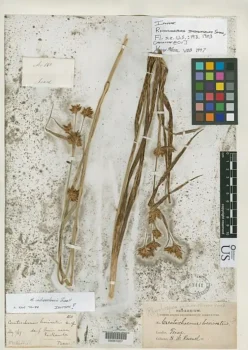
Indianola Beaksedge: A Rare Texas Native Worth Knowing
Meet Indianola beaksedge (Rhynchospora indianolensis), one of Texas’s more mysterious native sedges. This perennial grass-like plant might not be a household name in gardening circles, but for those interested in native plant conservation and specialized wetland gardening, it represents an intriguing piece of the Lone Star State’s botanical puzzle.
What Makes This Plant Special?
Indianola beaksedge belongs to the sedge family (Cyperaceae), making it a grass-like perennial that’s quite different from your typical lawn grass. Like other sedges, it has that characteristic triangular stem that distinguishes it from true grasses – remember the old botanist’s saying: sedges have edges! This particular species is endemic to Texas, meaning it’s found nowhere else in the world naturally.
Where You’ll Find It (Or Won’t)
This rare sedge calls Texas home and only Texas. Its extremely limited geographic distribution makes it a true botanical treasure of the region. The plant’s scarcity in the wild adds to both its mystique and its conservation importance.
- Species observed
- No observations
A Plant of Wet Places
Indianola beaksedge is classified as a facultative wetland plant in both the Atlantic and Gulf Coastal Plain and Great Plains regions. This means it usually hangs out in wetland environments but can occasionally venture into drier areas. Think of it as a plant that loves getting its feet wet but isn’t completely helpless on dry land.
The Conservation Reality Check
Here’s where things get serious: Indianola beaksedge has a Global Conservation Status of S3Q, which indicates some level of conservation concern. While the exact definition is undefined in our records, any conservation status suggests this plant deserves our attention and respect. This rarity status means that if you’re considering growing this species, you should only do so with responsibly sourced material – never collect from wild populations.
Should You Grow Indianola Beaksedge?
The honest answer? It’s complicated. This sedge presents several challenges for the home gardener:
- Extremely limited availability in the nursery trade
- Scarce information about specific growing requirements
- Conservation concerns that require responsible sourcing
- Specialized wetland habitat needs
However, for the dedicated native plant enthusiast with access to appropriate wetland conditions and responsibly sourced plants, Indianola beaksedge could be a meaningful addition to a conservation-focused garden.
Growing Conditions and Care
Based on its wetland status, Indianola beaksedge likely thrives in consistently moist to wet soils. It would be most suitable for:
- Rain gardens and bioswales
- Pond margins and water features
- Wetland restoration projects
- Native plant preservation gardens
Unfortunately, specific details about soil preferences, sunlight requirements, and maintenance needs are not well documented, which reflects the plant’s rarity and limited study.
The Bigger Picture
While Indianola beaksedge might not be the flashiest addition to your garden, it represents something important: the incredible diversity of native plants that exist in our ecosystems, many of which remain poorly understood. Sometimes the most valuable plants aren’t the showstoppers but the quiet specialists that fill unique ecological niches.
If you’re passionate about Texas native plants and wetland gardening, keep Indianola beaksedge on your radar. As more research emerges and conservation efforts continue, this rare sedge might become more available to dedicated native plant gardeners. Until then, supporting wetland conservation and native plant research helps ensure that species like Indianola beaksedge have a future in both wild spaces and thoughtfully designed gardens.