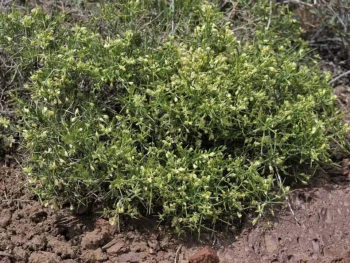
Intermountain Milkwort: A Hidden Gem for Water-Wise Gardens
If you’re looking for a charming, low-maintenance native shrub that thrives in challenging conditions, let me introduce you to Intermountain milkwort (Polygala intermontana). This delightful little plant might not win any awards for size, but it more than makes up for it with resilience, subtle beauty, and its ability to attract pollinators to your garden.
Meet the Intermountain Milkwort
Intermountain milkwort is a petite perennial shrub that stays refreshingly compact, typically growing under 1.5 feet tall and never exceeding 3 feet at maturity. Don’t let its small stature fool you – this hardy native has been quietly thriving in the American Southwest for generations, proving that good things really do come in small packages.
Where Does It Call Home?
This southwestern native has made itself at home across Arizona, California, Nevada, and Utah, where it has adapted to the challenging intermountain regions that give it its common name. As a true native of the lower 48 states, it’s perfectly suited to the unique growing conditions of the American Southwest.
- Species observed
- No observations
Why Your Garden Will Love This Plant
Intermountain milkwort brings several wonderful qualities to your landscape:
- Drought tolerance: Once established, it requires minimal watering – perfect for water-wise gardening
- Pollinator magnet: The delicate flowers attract native bees and other beneficial small pollinators
- Low maintenance: This is definitely a plant it and forget it kind of shrub
- Compact size: Perfect for small spaces, rock gardens, or as groundcover
- Native credentials: Supporting local ecosystems while reducing maintenance needs
Garden Design Ideas
This versatile little shrub shines in several garden settings:
- Xeriscape gardens: A natural choice for low-water landscapes
- Rock gardens: Its compact size and drought tolerance make it ideal for tucking between stones
- Native plant gardens: Pairs beautifully with other southwestern natives
- Ground cover: Plant in groups for a naturalized carpet effect
- Container gardens: Perfect size for larger pots on patios or decks
Growing Conditions That Make It Happy
Intermountain milkwort is wonderfully adaptable, but it does have some preferences:
- Sunlight: Full sun to partial shade
- Soil: Well-draining sandy or rocky soil is essential – this plant hates wet feet
- Water: Drought tolerant once established; minimal watering needed
- Climate: Thrives in USDA hardiness zones 5-9
- Fertilizer: Little to none needed – it’s adapted to lean soils
Planting and Care Tips
Getting your Intermountain milkwort established is refreshingly straightforward:
- Drainage is key: Amend heavy clay soils with sand or gravel to improve drainage
- Plant in fall or early spring: This gives the roots time to establish before extreme temperatures
- Water sparingly: Deep, infrequent watering is better than frequent shallow watering
- Skip the fertilizer: These plants are adapted to poor soils and too much nutrition can actually harm them
- Minimal pruning: Light pruning after flowering to maintain shape is all that’s needed
A Note About Conservation
Before you rush out to add this charming native to your garden, there’s something important to know. Intermountain milkwort has a conservation status that suggests it may be uncommon in some areas. If you decide to grow this plant, please ensure you source it from reputable nurseries that propagate their plants responsibly rather than collecting from wild populations. By choosing nursery-grown plants, you’re supporting conservation efforts while still enjoying this lovely native in your garden.
Is Intermountain Milkwort Right for Your Garden?
This delightful shrub is perfect for gardeners who:
- Want to reduce water usage in their landscape
- Appreciate subtle, natural beauty over flashy displays
- Prefer low-maintenance plants
- Are creating native plant or rock gardens
- Want to support local pollinators
- Live in the southwestern United States
While Intermountain milkwort might not be the showiest plant in your garden, it offers the kind of quiet charm and practical benefits that make it a true gardener’s friend. Its combination of drought tolerance, pollinator appeal, and native authenticity makes it a valuable addition to water-wise landscapes throughout its native range.