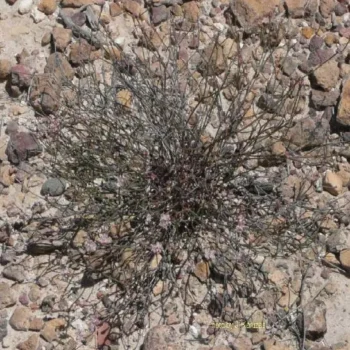
Ione Buckwheat: A Rare California Treasure for Your Native Garden
If you’re passionate about native plants and conservation, Ione buckwheat (Eriogonum apricum) might just capture your gardening heart. This charming California endemic is more than just another pretty wildflower – it’s a living piece of Golden State heritage that deserves our attention and protection.
What Makes Ione Buckwheat Special?
Ione buckwheat is a low-growing perennial forb that forms attractive mats of silvery-green foliage topped with clusters of delicate white to pinkish flowers. Don’t let the name fool you – this isn’t the buckwheat you’ll find in your pancake mix! It’s actually a member of the Eriogonum genus, a group of plants beloved by native plant enthusiasts for their drought tolerance and pollinator appeal.
This little beauty typically stays close to the ground, making it perfect for those tricky spots where you need groundcover that won’t demand constant attention. The flowers appear in dense, rounded clusters that seem to float above the foliage like tiny clouds.
Where Does It Call Home?
Ione buckwheat is a true California native, found exclusively in the Golden State. It’s particularly at home in the Sierra Nevada foothills, where it has adapted to the region’s Mediterranean climate and unique soil conditions.
- Species observed
- No observations
A Word of Caution: This Plant Needs Our Help
Here’s where things get serious, fellow gardeners. Ione buckwheat carries a Global Conservation Status of S2, meaning it’s considered Imperiled. With typically only 6 to 20 occurrences and few remaining individuals in the wild, this plant is fighting for survival. This rarity makes it extra special, but it also means we need to be responsible gardeners.
If you decide to grow Ione buckwheat, please only purchase from reputable native plant nurseries that use responsibly sourced, legally obtained material. Never collect seeds or plants from wild populations – that could push this rare beauty closer to extinction.
Why Grow Ione Buckwheat in Your Garden?
Despite its rarity (or perhaps because of it), there are compelling reasons to consider this plant:
- You’ll be growing a piece of California’s natural heritage
- It’s incredibly drought-tolerant once established
- The flowers attract native bees, butterflies, and other beneficial insects
- It requires minimal maintenance – perfect for busy gardeners
- You’ll be contributing to conservation efforts by growing it responsibly
Perfect Garden Spots for Ione Buckwheat
This resilient little plant thrives in:
- Rock gardens where it can sprawl between stones
- Xeriscaped landscapes that celebrate water-wise gardening
- Native plant gardens focused on California species
- Mediterranean-style gardens with similar climate plants
- Slopes or areas with challenging drainage issues
Growing Conditions: Keep It Simple
Ione buckwheat isn’t fussy – in fact, it prefers the tough love approach to gardening:
- Sun exposure: Full sun is essential for best flowering
- Soil: Well-draining sandy or rocky soils; avoid rich, amended soils
- Water: Drought-tolerant once established; actually prefers dry conditions
- Climate: Best suited for USDA hardiness zones 8-10
Planting and Care Tips
Getting Ione buckwheat established is straightforward if you follow these guidelines:
- Plant in fall when cooler temperatures reduce transplant shock
- Choose a location with excellent drainage – this plant hates wet feet
- Water regularly the first year, then back off significantly
- Resist the urge to fertilize or amend the soil heavily
- Allow natural rainfall to provide most moisture needs after establishment
- Enjoy the spring flower show, then let the plant rest during hot summers
A Garden with Purpose
By growing Ione buckwheat responsibly, you’re not just adding a beautiful native plant to your landscape – you’re becoming part of a conservation story. Every garden that hosts this rare species helps ensure its survival for future generations.
Remember, the key word here is responsibly. Source your plants ethically, provide appropriate growing conditions, and perhaps most importantly, share your knowledge with other gardeners. Together, we can help ensure that Ione buckwheat continues to grace California’s landscapes for generations to come.