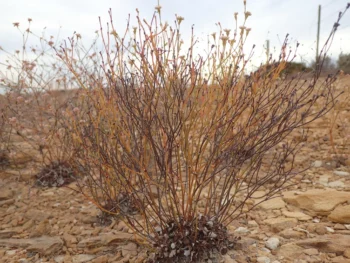
Ione Buckwheat: A Rare California Treasure Worth Protecting
Meet the Ione buckwheat, one of California’s most endangered native wildflowers. This remarkable little perennial has captured the hearts of conservationists and native plant enthusiasts alike, though you’re unlikely to stumble across it during a casual hike. There’s a very good reason for that – and it’s something every responsible gardener should know about.
What Makes Ione Buckwheat Special?
Scientifically known as Eriogonum apricum var. apricum, the Ione buckwheat is a herbaceous perennial forb that belongs to the fascinating buckwheat family. Unlike its woody cousins, this plant lacks significant woody tissue and keeps its growing points right at or below ground level – a clever survival strategy that’s served it well in its specialized habitat.
This charming native produces clusters of small, white to pinkish flowers that are absolutely beloved by native pollinators. Like other members of the Eriogonum family, it likely provides crucial nectar and pollen for native bees and other beneficial insects that have co-evolved with California’s native flora.
A Plant on the Edge: Understanding Its Rarity
Here’s something crucial every gardener needs to know: Ione buckwheat is listed as Endangered with a Global Conservation Status of S2T1. This isn’t just rare – it’s critically rare and needs our protection.
The plant is endemic to California, specifically found in the Ione area of Amador County. Its extremely limited geographic distribution makes it particularly vulnerable to habitat loss and environmental changes.
- Species observed
- No observations
Should You Grow Ione Buckwheat?
If you’re passionate about conservation and have access to responsibly sourced plant material, growing Ione buckwheat could be part of important conservation efforts. However, this comes with significant responsibilities:
- Only use responsibly sourced material – Never collect from wild populations
- Work with conservation organizations – Connect with native plant societies and botanical institutions
- Understand the commitment – This plant likely has very specific growing requirements
- Consider your location – You’ll probably need to be in California’s appropriate hardiness zones (likely 8-10)
Growing Conditions and Care
Unfortunately, detailed cultivation information for Ione buckwheat is limited due to its rarity and specialized habitat needs. What we do know is that it grows as a perennial forb in its native California environment. Like many endangered plants, it likely requires very specific soil conditions, moisture levels, and companion plants that mirror its natural habitat.
If you’re serious about attempting to grow this species, your best bet is to:
- Contact local native plant societies in California
- Reach out to botanical gardens with conservation programs
- Connect with university extension programs specializing in rare plants
- Join conservation efforts rather than attempting solo cultivation
Better Alternatives for Most Gardeners
For most gardeners wanting to support native ecosystems, consider other Eriogonum species that are more readily available and less conservation-sensitive. Many buckwheat species offer similar pollinator benefits and aesthetic appeal while being much easier to grow and more widely available through responsible nursery sources.
The Bigger Picture
While you might not be able to grow Ione buckwheat in your backyard, you can still support its conservation by choosing other native California plants, supporting habitat preservation efforts, and spreading awareness about the importance of protecting rare species like this one.
Sometimes the most responsible way to love a plant is to admire it from afar while working to protect the wild places where it naturally belongs. The Ione buckwheat reminds us that every native species – no matter how small or seemingly insignificant – plays a crucial role in the intricate web of life that makes California’s ecosystems so special.