Island Bush Monkeyflower: A Rare California Native Worth Protecting
Meet the island bush monkeyflower (Diplacus parviflorus), a charming little shrub that’s as special as it is beautiful. This California native isn’t your typical garden center find – and there’s a very good reason for that. This rare perennial deserves our attention not just for its lovely flowers, but for its conservation story.
What Makes This Plant Special
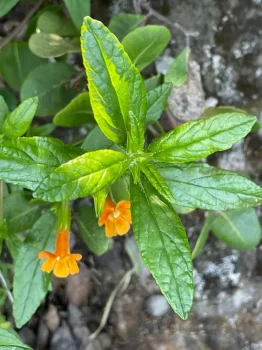
The island bush monkeyflower is a compact perennial shrub that typically grows as a multi-stemmed woody plant, usually staying under 13-16 feet in height. Don’t let the modest size fool you – this plant packs a punch with its cheerful tubular flowers that range from yellow to orange, creating a delightful display that pollinators absolutely adore.
You might also see this plant listed under its older scientific names, including Mimulus flemingii and Mimulus parviflorus, as botanists have shuffled it around a bit over the years.
Where It Calls Home
This little treasure is endemic to California, with its natural habitat primarily on the Channel Islands. It’s perfectly adapted to the Mediterranean climate conditions found there, making it a true California original.
- Species observed
- No observations
A Conservation Concern
Here’s where things get serious: the island bush monkeyflower has a Global Conservation Status of S3, meaning it’s considered vulnerable. With typically only 21-100 occurrences or between 3,000-10,000 individuals remaining, this plant is walking a tightrope toward rarity.
If you’re considering adding this beauty to your garden, please – and we cannot stress this enough – only source it from reputable native plant nurseries that propagate from ethically collected seeds or cuttings. Never collect from wild populations.
Garden Performance and Design Role
When responsibly sourced, the island bush monkeyflower can be a fantastic addition to the right garden. It thrives in:
- Mediterranean-climate gardens
- Drought-tolerant landscapes
- Rock gardens
- Native California plant collections
- Slopes and areas with excellent drainage
This shrub typically develops several stems from near the ground, creating a naturally attractive, bushy form that works well as a specimen plant or grouped with other California natives.
Growing Conditions and Care
The island bush monkeyflower is surprisingly low-maintenance once you understand its needs:
Climate: Best suited for USDA hardiness zones 9-11, where it can enjoy the Mediterranean climate it craves.
Sun and Soil: Provide full sun to partial shade and well-draining soil. This plant absolutely cannot tolerate soggy conditions – think island life and you’ll get the drainage requirements right.
Water Needs: As a facultative upland plant, it usually occurs in non-wetland areas but can occasionally tolerate some moisture. Once established, it’s quite drought tolerant and actually prefers minimal summer water.
Planting and Care Tips
- Plant in fall or early spring for best establishment
- Ensure excellent drainage – amend heavy soils with sand or gravel if needed
- Water regularly during the first growing season, then reduce significantly
- Prune lightly after flowering to maintain shape
- Mulch around the base but keep mulch away from the stem
Pollinator and Wildlife Benefits
The tubular flowers of the island bush monkeyflower are perfectly designed to attract native pollinators. Expect visits from native bees, butterflies, and even hummingbirds who appreciate the nectar-rich blooms.
Should You Plant It?
The island bush monkeyflower presents a unique opportunity for dedicated native plant gardeners who want to participate in conservation. If you have the right growing conditions (Mediterranean climate, excellent drainage, and minimal summer water), and you can source plants responsibly, this rare beauty could be a meaningful addition to your landscape.
However, if you’re looking for something similar but more readily available, consider other Diplacus species or native California plants that aren’t facing conservation challenges. Sometimes the best way to honor a rare plant is to choose a more common alternative and leave the rare ones to specialized conservation efforts.
Whatever you decide, remember that every native plant we grow – rare or common – is a small act of environmental stewardship. And in the case of the island bush monkeyflower, it might also be an act of conservation hope.