Island Manzanita: A Rare Channel Islands Native Worth Growing Responsibly
If you’re looking to add a touch of California’s wild island beauty to your garden, island manzanita (Arctostaphylos insularis) might be exactly what you need. This charming native shrub brings the rugged elegance of the Channel Islands right to your backyard – but there’s an important catch you should know about before you start shopping.
What Makes Island Manzanita Special?
Island manzanita is a perennial evergreen shrub that typically grows 4-13 feet tall, though it can reach up to 16 feet under ideal conditions. What sets this beauty apart from its mainland cousins is its exclusive address – it calls only California’s Channel Islands home, specifically Santa Cruz, Santa Rosa, and San Clemente Islands.
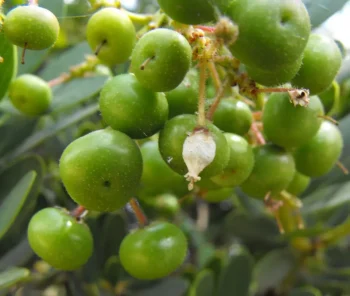
This multi-stemmed woody shrub showcases the classic manzanita charm: small, leathery oval leaves that catch the light beautifully, clusters of delicate white to pink urn-shaped flowers that bloom in winter and spring, and that distinctive reddish bark that peels to reveal smooth underneath layers. It’s like having a piece of pristine island wilderness in your own space.
- Species observed
- No observations
The Rarity Reality Check
Here’s where we need to have a serious conversation. Island manzanita has a Global Conservation Status of S2?, which signals it’s a rare plant that deserves our respect and protection. This isn’t just another garden center pickup – it’s a species that exists in limited numbers in the wild.
Does this mean you shouldn’t grow it? Not necessarily! But it does mean you need to be incredibly thoughtful about sourcing. If you decide to add this beauty to your garden, make absolutely sure you’re purchasing from reputable native plant nurseries that propagate their plants responsibly rather than collecting from wild populations.
Why Your Garden (and Local Wildlife) Will Love It
Despite its rarity concerns, there are compelling reasons why island manzanita makes an excellent garden addition:
- Incredible drought tolerance once established – perfect for water-wise gardening
- Year-round evergreen interest with seasonal flower displays
- Attracts bees, butterflies, and other important pollinators
- Provides food and habitat for native birds and wildlife
- Excellent for erosion control on slopes
- Low maintenance once established
Perfect Garden Matches
Island manzanita thrives in:
- Mediterranean-style landscapes
- Drought-tolerant xeriscapes
- Native California plant gardens
- Coastal gardens (it handles salt air beautifully)
- Naturalistic landscapes that mimic chaparral habitats
It works wonderfully as a specimen plant, in mixed native shrub borders, or as part of a larger native plant restoration project.
Growing Conditions and Care
Island manzanita is surprisingly easy-going once you understand its preferences. It thrives in USDA hardiness zones 9-10 and prefers:
- Full sun to partial shade (morning sun is especially appreciated)
- Well-draining soil – sandy or rocky soils are ideal
- Minimal to no summer water once established
- Good air circulation
Planting and Care Tips
Fall is your best planting window, giving the roots time to establish before the growing season. Here’s how to set your island manzanita up for success:
- Plant in well-amended, fast-draining soil
- Water regularly the first year to help establishment
- After the first year, reduce watering significantly – this plant actually prefers dry summers
- Skip the fertilizer – these plants are adapted to nutrient-poor soils
- Prune lightly after flowering if needed, but avoid heavy pruning
- Mulch around the base to suppress weeds and retain soil moisture
The Bottom Line
Island manzanita is a stunning native plant that can bring unique beauty and ecological value to the right garden. Its drought tolerance, wildlife benefits, and year-round appeal make it a worthwhile addition for California gardeners committed to native landscaping.
However, its rarity status means this isn’t a plant to choose lightly. If you decide to grow island manzanita, commit to sourcing it responsibly and treating it as the special plant it is. Your garden – and California’s native plant heritage – will be better for it.
Consider it an opportunity to become a steward of California’s unique island flora, right in your own backyard.