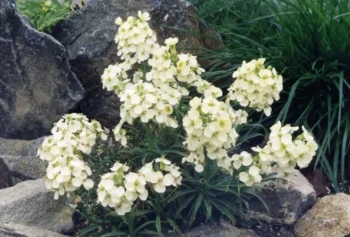
Island Wallflower: A Rare California Native Worth Growing Responsibly
Meet the island wallflower (Erysimum insulare), a charming little native that’s as rare as it is beautiful. This California endemic brings a touch of Channel Islands magic to your garden – but there’s an important conservation story that comes with it.
What Makes Island Wallflower Special
The island wallflower is a perennial forb that stays relatively compact and produces clusters of cheerful yellow, four-petaled flowers from spring through summer. Its narrow, linear leaves give it a tidy appearance that works beautifully in rock gardens and drought-tolerant landscapes. As a native California plant, it’s perfectly adapted to Mediterranean climate conditions and requires minimal water once established.
Where Island Wallflower Calls Home
This special plant is endemic to California’s Channel Islands, primarily found on Santa Cruz Island and Santa Rosa Island. It’s not found naturally anywhere else in the world, making it a true California treasure.
- Species observed
- No observations
A Plant That Needs Our Help
Here’s where things get important: island wallflower has a Global Conservation Status of S3, meaning it’s considered vulnerable. With typically only 21 to 100 occurrences and between 3,000 and 10,000 individuals in the wild, this plant is genuinely rare. If you’re interested in growing island wallflower, it’s crucial to source it only from reputable native plant nurseries that propagate their stock responsibly rather than collecting from wild populations.
Why Grow Island Wallflower?
Despite its rarity (or perhaps because of it), there are compelling reasons to include this plant in your garden:
- Supports native biodiversity and conservation efforts
- Attracts beneficial pollinators including bees and butterflies
- Extremely drought tolerant once established
- Perfect for coastal and Mediterranean-style gardens
- Low maintenance and long-blooming
- Unique addition to native plant collections
Growing Conditions and Care
Island wallflower thrives in USDA hardiness zones 9-11, particularly in coastal California conditions. Here’s what this adaptable native needs:
- Sunlight: Full sun exposure
- Soil: Well-draining soil is essential – this plant doesn’t tolerate soggy conditions
- Water: Drought tolerant once established; minimal supplemental watering needed
- Climate: Tolerates coastal conditions including salt air
Planting and Care Tips
The best time to plant island wallflower is in fall, giving it time to establish before the dry summer months. Once planted, resist the urge to overwater – this is one plant that truly prefers to stay on the dry side. A light pruning after the main bloom period can encourage additional flowers and keep the plant looking tidy.
Perfect Garden Companions
Island wallflower works beautifully in rock gardens, xeriscapes, and coastal landscapes. It pairs well with other California natives like ceanothus, lavender, and ornamental grasses. Its compact size makes it ideal for smaller spaces or as an accent plant in native plant collections.
The Bottom Line
Island wallflower is a wonderful choice for gardeners who want to support native plant conservation while adding a unique, low-maintenance beauty to their landscape. Just remember: always source your plants from reputable nurseries that propagate rather than collect from the wild. By growing this rare native responsibly, you’re not just creating a beautiful garden – you’re helping ensure that future generations can enjoy the island wallflower both in cultivation and in its natural island home.