Jackson False Foxglove: A Delicate Native Gem for Southeastern Gardens
If you’re looking to add a touch of delicate beauty to your native garden while supporting local ecosystems, Jackson false foxglove (Agalinis filicaulis) might just be the perfect choice. This charming annual wildflower brings an understated elegance to naturalized landscapes across the Southeast, though there are some important considerations every gardener should know before planting.
What Makes Jackson False Foxglove Special
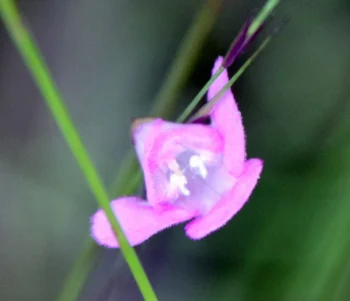
Jackson false foxglove is a native annual forb that belongs to the snapdragon family. Don’t let the false foxglove name fool you – while it may not be a true foxglove, this plant has its own unique charm. With thread-like stems and narrow leaves that give it an almost ethereal appearance, it produces small, tubular pink-purple flowers that seem to dance in the breeze.
You might also encounter this plant listed under its former scientific name, Gerardia filicaulis, in older gardening references.
Where Jackson False Foxglove Calls Home
This southeastern native has a relatively limited natural range, growing wild in Alabama, Florida, Georgia, Louisiana, and Mississippi. It’s perfectly adapted to the Atlantic and Gulf Coastal Plain regions, where it thrives in the unique conditions these areas provide.
- Species observed
- No observations
Important Rarity Considerations
Here’s where things get serious: Jackson false foxglove is considered uncommon to rare across its range. With a global conservation status of S3S4 and an S2 (imperiled) status in Alabama, this plant needs our help. If you’re interested in growing it, only use responsibly sourced seeds or plants from reputable native plant nurseries. Never collect seeds or plants from wild populations – this could further threaten already vulnerable populations.
Garden Role and Landscape Design
Jackson false foxglove shines in naturalized settings where its delicate form can be appreciated without competing with showier plants. It’s perfect for:
- Native wildflower meadows
- Coastal plain restoration projects
- Rain gardens and bioswales
- Naturalized borders
- Wildlife habitat gardens
Its fine texture provides a lovely contrast to broader-leaved companions and adds movement to plantings with its slender, swaying stems.
Growing Conditions and Care
Jackson false foxglove is surprisingly adaptable when it comes to moisture, earning a facultative wetland status – meaning it’s equally happy in wet or dry conditions. This flexibility makes it suitable for USDA hardiness zones 8-10, which align perfectly with its native southeastern range.
For best results, provide:
- Full sun to partial shade
- Sandy or well-draining soils
- Moderate to low water once established
- Minimal fertilization (like most natives, it prefers lean soils)
Planting and Propagation Tips
As an annual, Jackson false foxglove completes its entire life cycle in one growing season. The best approach is direct seeding in fall, allowing the seeds to experience natural cold stratification over winter. Spring transplants can be tricky since this plant has semi-parasitic tendencies, forming connections with nearby grass roots.
Here’s a quirky fact: like many members of its family, Jackson false foxglove is what botanists call a facultative parasite. It can photosynthesize on its own but also taps into nearby grass roots for extra nutrients. This makes it a bit finicky about transplanting but perfectly at home when allowed to establish naturally.
Wildlife and Pollinator Benefits
Those delicate tubular flowers aren’t just pretty – they’re pollinator magnets. Bees and butterflies are particularly drawn to Jackson false foxglove, making it a valuable addition to wildlife gardens. As a native plant, it also supports local ecosystems in ways that non-native alternatives simply cannot.
Should You Grow Jackson False Foxglove?
The short answer is yes – but with important caveats. If you garden within its native range and can source seeds or plants responsibly, Jackson false foxglove makes a wonderful addition to naturalized spaces. Its rarity actually makes it more valuable as a garden plant, not less, since every responsibly grown plant helps preserve genetic diversity and potentially provides seeds for conservation efforts.
However, this isn’t a plant for formal gardens or high-maintenance landscapes. It’s best suited for gardeners who appreciate subtle beauty and want to support native ecosystems. If you’re looking for something showier or more predictable, you might want to consider other native annuals like blanket flower or black-eyed Susan.
Remember: growing rare native plants is both a privilege and a responsibility. By choosing Jackson false foxglove, you’re not just adding beauty to your garden – you’re participating in conservation efforts that help ensure this delicate wildflower continues to grace southeastern landscapes for generations to come.