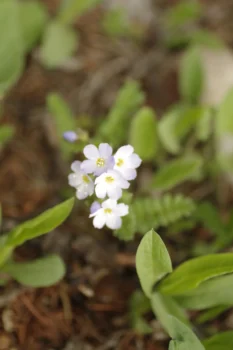
Growing Jacob’s-Ladder: A Delicate Native Beauty for Your Garden
If you’re looking for a charming native plant that brings both delicate beauty and ecological value to your garden, Jacob’s-ladder (Polemonium pulcherrimum delicatum) might just be your new favorite discovery. This lovely perennial forb offers a perfect blend of ornamental appeal and wildlife benefits, making it an excellent choice for gardeners who want to support local ecosystems while creating stunning landscapes.
What Makes Jacob’s-Ladder Special?
Jacob’s-ladder gets its common name from its distinctive foliage, which features finely divided leaflets arranged like rungs on a ladder. This native perennial produces clusters of small, tubular flowers in shades of blue to purple, creating a delightful display that catches the eye without overwhelming other plants in your garden.
As a true native of the American West, this species has evolved alongside local wildlife and is perfectly adapted to regional growing conditions. You’ll find it naturally occurring across Arizona, Colorado, Nevada, New Mexico, Utah, and Wyoming, where it thrives in mountainous terrain.
- Species observed
- No observations
Why Choose This Native Beauty?
There are several compelling reasons to consider adding Jacob’s-ladder to your garden:
- Pollinator magnet: The small, nectar-rich flowers attract native bees, butterflies, and other beneficial insects
- Low maintenance: Once established, this hardy perennial requires minimal care
- Drought tolerant: Perfect for water-wise gardening in western climates
- Ecological value: Supports local wildlife and helps preserve regional biodiversity
- Unique texture: The ladder-like foliage adds interesting texture to plant combinations
Perfect Garden Companions
Jacob’s-ladder shines in rock gardens, alpine collections, and native plant landscapes. Its compact, herbaceous growth habit makes it an excellent ground cover or accent plant. Consider pairing it with other native wildflowers, ornamental grasses, or drought-tolerant perennials for a naturalistic look that celebrates your region’s native flora.
This plant works particularly well in:
- Rock gardens and alpine settings
- Native plant gardens
- Wildflower meadows
- Water-wise landscapes
- Naturalized areas
Growing Conditions and Care
Success with Jacob’s-ladder comes down to understanding its mountain origins. This plant thrives in USDA hardiness zones 3-7, making it suitable for areas with cold winters and moderate summers.
Ideal growing conditions include:
- Sunlight: Full sun to partial shade
- Soil: Well-draining soil is essential; avoid heavy clay or waterlogged conditions
- Water: Moderate water during establishment, then drought tolerant
- Temperature: Benefits from cool conditions and winter chill
Planting and Care Tips
Getting started with Jacob’s-ladder is straightforward when you follow these guidelines:
- Plant in spring or fall when temperatures are moderate
- Ensure excellent drainage – this is the most critical factor for success
- Water regularly during the first growing season to establish roots
- Once established, reduce watering frequency
- Mulch lightly around plants to conserve moisture and suppress weeds
- Avoid fertilizing, as rich soils can cause weak, floppy growth
Conservation Considerations
While Jacob’s-ladder isn’t considered critically rare, it does have a conservation status that gardeners should be aware of. When sourcing this plant, always choose reputable nurseries that offer responsibly propagated material rather than wild-collected plants. By growing native species from ethical sources, you’re contributing to conservation efforts while enjoying their beauty in your own landscape.
The Bottom Line
Jacob’s-ladder offers gardeners a wonderful opportunity to grow a truly native species that supports local ecosystems while providing lasting beauty. Its delicate flowers, interesting foliage, and low-maintenance nature make it a valuable addition to western gardens. Whether you’re creating a rock garden masterpiece or establishing a native plant haven, this charming perennial deserves a place in your landscape plans.
Remember, when you choose native plants like Jacob’s-ladder, you’re not just gardening – you’re participating in the preservation of your region’s natural heritage while creating habitat for the creatures that call your area home.