Jacumba Milkvetch: A Rare California Native Worth Protecting in Your Garden
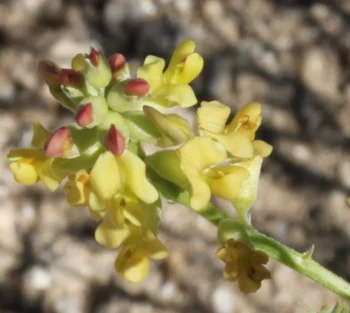
If you’re looking for a truly special addition to your Southern California native plant garden, meet the Jacumba milkvetch (Astragalus douglasii var. perstrictus). This little-known perennial legume might not be the showiest plant in the garden center, but it carries a unique story and plays an important role in California’s botanical heritage.
What Makes Jacumba Milkvetch Special?
The Jacumba milkvetch is a California native plant with a very limited natural range, found only in San Diego County. As a member of the pea family (Fabaceae), it produces charming small flowers that typically display shades of purple to pink. Like other milkvetches, this perennial forms modest clumps and can serve as an interesting ground cover in the right conditions.
What really sets this plant apart is its rarity. With a conservation status that indicates it’s quite uncommon in the wild, the Jacumba milkvetch represents one of those special plants that dedicated native gardeners can help preserve through cultivation.
Where Does It Grow Naturally?
This milkvetch is endemic to California, specifically concentrated in the southern regions of the state. Its natural habitat consists of the arid landscapes typical of San Diego County’s desert transitions.
- Species observed
- No observations
A Word of Caution: Rarity Matters
Before we dive into growing tips, there’s something important to consider. The Jacumba milkvetch has a conservation status that indicates it’s quite rare in its natural habitat. This means if you decide to grow this plant, you should only obtain it from reputable native plant nurseries that propagate their stock responsibly – never collect from wild populations.
By growing this plant in your garden, you’re actually participating in conservation efforts and helping to preserve California’s botanical diversity!
Growing Jacumba Milkvetch Successfully
Like most California natives, the Jacumba milkvetch isn’t particularly fussy once you understand its basic needs:
- Sunlight: Provide full sun for best growth and flowering
- Soil: Well-draining soil is absolutely critical – this plant won’t tolerate soggy conditions
- Water: Drought tolerant once established, requiring minimal supplemental irrigation
- Climate: Best suited for USDA hardiness zones 9-10
Perfect Garden Settings
The Jacumba milkvetch shines in:
- Native plant gardens focused on California species
- Rock gardens with excellent drainage
- Xeric or drought-tolerant landscapes
- Desert-themed garden areas
- Collections of rare or unusual native plants
Supporting Local Wildlife
As a native legume, the Jacumba milkvetch offers valuable benefits to local ecosystems. Its flowers provide nectar for native bees and other small pollinators, while the plant’s ability to fix nitrogen in the soil can benefit neighboring plants. These ecosystem services make it a worthy addition to wildlife-friendly gardens.
Planting and Care Tips
Success with Jacumba milkvetch comes down to mimicking its natural habitat:
- Plant in fall or early winter for best establishment
- Ensure excellent drainage – consider raised beds or slopes if your soil retains water
- Water regularly during the first season, then reduce frequency dramatically
- Avoid fertilizing, as this can actually harm many California natives
- Allow the plant to go dormant during summer dry periods
The Bottom Line
Should you plant Jacumba milkvetch? If you’re passionate about California native plants and have the right growing conditions, absolutely – but only with responsibly sourced plants. This rare beauty offers a chance to participate in conservation while adding a unique element to your native plant collection.
Just remember that growing rare natives comes with responsibility. Source your plants ethically, and consider yourself a steward of California’s botanical heritage. Your garden becomes a small refuge for a plant that deserves our protection and appreciation.