Jamaican Nettletree: A Fast-Growing Native for Wildlife-Friendly Gardens
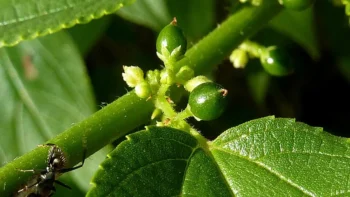
If you’re looking for a fast-growing native plant that wildlife absolutely loves, let me introduce you to the Jamaican nettletree (Trema micrantha). This unassuming shrub might not win any beauty contests, but it’s a true champion when it comes to supporting local ecosystems and providing quick coverage in your landscape.
What Is the Jamaican Nettletree?
The Jamaican nettletree, scientifically known as Trema micrantha, is a perennial shrub that’s native to the southeastern United States and Caribbean region. You’ll find this hardy plant naturally growing in Florida, Puerto Rico, the U.S. Virgin Islands, and Navassa Island. It’s what botanists call a pioneer species – one of the first plants to colonize disturbed areas and help restore natural habitats.
- Species observed
- No observations
This multi-stemmed woody plant typically grows to about 20 feet tall, though it can reach up to 39 feet under ideal conditions. With its rapid growth rate, you won’t be waiting decades to see results!
Why Consider Planting Jamaican Nettletree?
While the Jamaican nettletree might not be the showiest plant in your garden, it offers several compelling benefits:
- Lightning-fast growth: Perfect for quick screening or filling in bare spots
- Native plant benefits: Supports local wildlife and ecosystems
- Low maintenance: Once established, it pretty much takes care of itself
- Erosion control: Great for slopes or areas prone to soil erosion
- Wildlife magnet: The orange fruits and small flowers attract various birds and beneficial insects
Aesthetic Appeal and Landscape Role
Let’s be honest – the Jamaican nettletree isn’t going to be the star of your flower border. Its green foliage has a coarse texture, and the small greenish flowers aren’t particularly showy. However, what it lacks in glamour, it makes up for in function. Think of it as the reliable workhorse of your native plant palette.
This shrub works best in informal landscapes, wildlife gardens, and restoration projects. It’s excellent for creating natural buffers, providing quick privacy screening, or establishing habitat areas. The orange fruits do add some visual interest, though they’re not considered particularly conspicuous.
Growing Conditions and Care
One of the best things about Jamaican nettletree is how accommodating it is. Here are its preferences:
- Soil: Adapts to coarse and medium-textured soils (pH 6.0-8.5)
- Water needs: Medium drought tolerance; can handle both wetland and upland conditions
- Light: Shade tolerant, but grows faster in more sun
- Climate: Needs frost-free conditions (minimum 365 frost-free days)
- Temperature: Minimum temperature of 40°F
USDA Hardiness Zones
This tropical native is only suitable for USDA zones 10b-11, making it perfect for southern Florida and similar subtropical climates. If you live in cooler areas, this plant unfortunately won’t survive your winters.
Planting and Propagation Tips
Getting started with Jamaican nettletree is straightforward:
- Propagation: Grows easily from seed (about 9,300 seeds per pound!)
- Timing: Plant seeds in spring for best results
- Spacing: Allow 320-640 plants per acre for restoration projects
- Root depth: Needs at least 36 inches of soil depth
- Establishment: Water regularly until established, then it’s quite drought-tolerant
Wildlife and Pollinator Benefits
While the flowers may be small and green, they bloom in spring and provide nectar for various small pollinators and beneficial insects. The real wildlife value comes from the orange fruits, which persist year-round and provide food for birds and other wildlife. As a native plant, it supports the complex web of insects and other creatures that have evolved alongside it.
Is Jamaican Nettletree Right for Your Garden?
This plant is ideal if you’re looking to:
- Create wildlife habitat quickly
- Establish native plant communities
- Control erosion on slopes
- Screen unsightly areas fast
- Support local ecosystems
However, you might want to look elsewhere if you’re seeking:
- Showy flowers or ornamental appeal
- A formal garden specimen
- Something for cooler climates
- A plant for small, manicured spaces
The Jamaican nettletree may not be flashy, but it’s a valuable addition to any wildlife-friendly garden in its native range. Sometimes the most important plants are the ones working quietly behind the scenes, supporting the intricate relationships that make healthy ecosystems thrive.