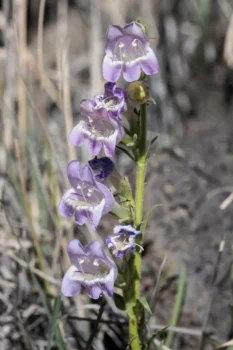
James’ Beardtongue: A Resilient Native Beauty Worth Protecting
If you’re looking for a tough, drought-tolerant native that brings both beauty and ecological value to your garden, James’ beardtongue (Penstemon jamesii) might just be your new favorite plant. This resilient perennial herb is a true survivor of the American Southwest and Great Plains, offering delicate beauty with minimal fuss – though there’s an important conservation story that comes with it.
Meet James’ Beardtongue
James’ beardtongue is a native perennial forb that calls the lower 48 states home, specifically thriving in Colorado, Kansas, New Mexico, and Texas. As a member of the Penstemon family, it shares the characteristic tubular flowers that make these plants so beloved by pollinators and gardeners alike.
- Species observed
- No observations
However, there’s something crucial every gardener should know about this plant: James’ beardtongue has a Global Conservation Status of S3, meaning it’s considered vulnerable. With typically only 21 to 100 occurrences and between 3,000 to 10,000 individuals remaining, this beautiful native needs our help to thrive.
Why Grow James’ Beardtongue?
Despite – or perhaps because of – its vulnerable status, there are compelling reasons to include this plant in your garden:
- Pollinator magnet: The tubular flowers are perfectly designed to attract bees, butterflies, and hummingbirds
- Drought champion: Once established, this tough perennial can handle dry conditions with grace
- Low maintenance: As a native plant, it’s naturally adapted to local growing conditions
- Conservation impact: By growing responsibly sourced plants, you’re helping preserve this species
- Aesthetic appeal: Delicate pink to purple tubular flowers provide subtle beauty from late spring through early summer
Garden Design and Landscape Role
James’ beardtongue shines in several garden settings:
- Rock gardens: Its compact form and drought tolerance make it perfect for rocky, well-draining spots
- Native plant gardens: An authentic choice for regional native plantings
- Xeriscape designs: Ideal for water-wise landscaping
- Border plantings: Works beautifully as an accent or filler plant
- Wildflower gardens: Adds natural charm to informal garden styles
Growing Conditions and Care
The good news is that James’ beardtongue is refreshingly easy to grow once you understand its preferences:
Sunlight: Thrives in full sun conditions
Soil: Requires well-draining soil – this is non-negotiable for healthy plants
Water: Drought tolerant once established, but appreciates occasional deep watering during extreme dry spells
Hardiness: Suitable for USDA zones 4-8
Planting and Care Tips
Here’s how to give your James’ beardtongue the best start:
- Timing: Plant in spring after the last frost date
- Soil prep: Ensure excellent drainage – amend heavy clay soils with sand or gravel
- Watering: Water regularly the first growing season, then reduce to occasional deep watering
- Maintenance: Deadhead spent flowers to encourage extended blooming
- Winter care: No special winter protection needed in appropriate hardiness zones
A Word About Responsible Sourcing
Given James’ beardtongue’s vulnerable conservation status, it’s crucial to source your plants responsibly. Here’s what that means:
- Purchase only from reputable native plant nurseries that grow from seed or propagate existing garden plants
- Never collect plants from the wild
- Ask your nursery about the source of their plants
- Consider starting from seed if you can find responsibly collected seed
The Bottom Line
James’ beardtongue represents the best of native gardening – it’s beautiful, tough, beneficial to wildlife, and connects us to our regional plant heritage. While its vulnerable status means we need to be thoughtful about how we source it, growing this plant in our gardens can actually contribute to its conservation.
If you’re drawn to plants with character, appreciate low-maintenance beauty, and want to support native pollinators while helping preserve a vulnerable species, James’ beardtongue deserves a spot in your garden. Just remember to source it responsibly – our native plants depend on gardeners like you to help secure their future.