James’ Telesonix: A Rare Rocky Mountain Gem Worth Protecting
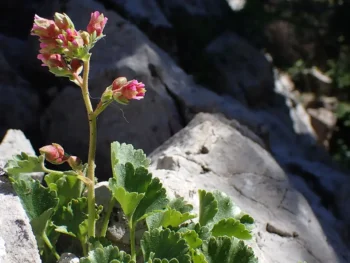
Meet James’ telesonix (Telesonix jamesii), one of the Rocky Mountains’ best-kept secrets. This diminutive native perennial might not be the showiest plant in your garden center, but for adventurous gardeners who love a challenge, it’s pure gold. With its delicate clusters of white to pink flowers and charming scalloped leaves, this little beauty packs serious alpine charm into a petite package.
What Makes James’ Telesonix Special?
James’ telesonix is a true Colorado and New Mexico native, belonging to the saxifrage family. You might also see it listed under its former scientific names, Boykinia jamesii or Saxifraga jamesii, but don’t let the name changes fool you – it’s the same enchanting plant. This perennial forb (that’s botanist-speak for a non-woody flowering plant) grows in tight rosettes of rounded, kidney-shaped leaves that look like they’ve been delicately scalloped by nature’s own cookie cutter.
James’ telesonix calls Colorado and New Mexico home, thriving in the high-elevation rocky crevices and cliff faces of the southern Rocky Mountains. It’s perfectly adapted to life on the edge – literally!
- Species observed
- No observations
A Plant That Demands Respect
Here’s where things get serious: James’ telesonix carries a Global Conservation Status of S2, meaning it’s imperiled in the wild. With typically only 6 to 20 known occurrences and fewer than 1,000 to 3,000 individual plants remaining, this species is genuinely rare. If you’re considering adding it to your garden, please – and we can’t stress this enough – only source plants or seeds from reputable native plant societies or specialty growers who propagate responsibly. Never collect from wild populations.
Growing James’ Telesonix: Not for the Faint of Heart
Let’s be honest – growing James’ telesonix successfully is like earning a black belt in alpine gardening. This plant demands conditions that closely mimic its native high-altitude habitat, which means:
- Exceptional drainage is absolutely non-negotiable
- Rocky or gravelly soil that stays relatively cool
- Protection from intense afternoon sun and extreme heat
- Cool, moist conditions during the growing season
- Winter chill requirements (USDA zones 4-7, possibly zone 3 with protection)
Think crevice gardens, specialized rock gardens, or carefully constructed alpine beds with perfect drainage and afternoon shade. This isn’t a plant it and forget it kind of native – it’s more like adopting a very particular houseguest with specific needs.
The Payoff: Why Bother with Such a Demanding Plant?
Despite its diva-like growing requirements, James’ telesonix offers unique rewards for dedicated gardeners:
- Genuine rarity – you’ll likely be the only gardener in your area growing it
- Conservation impact – responsible cultivation helps preserve genetic diversity
- Pollinator support for specialized native bees and flies
- Incredible satisfaction from successfully growing a challenging alpine species
- Perfect conversation starter for fellow plant enthusiasts
The delicate clusters of white to pink flowers appear in late spring to early summer, creating a subtle but stunning display against the plant’s attractive foliage rosettes.
Is James’ Telesonix Right for Your Garden?
This rare native is ideal for experienced gardeners who specialize in alpine plants, have proper crevice garden setups, or maintain serious native plant collections. It’s not suitable for typical perennial borders, casual rock gardens, or low-maintenance landscapes.
If you’re new to native gardening or prefer easier-care plants, consider starting with more forgiving Colorado and New Mexico natives before tackling James’ telesonix. But if you’re up for the challenge and committed to conservation, this rare gem could become the crown jewel of your alpine collection.
Remember: growing James’ telesonix isn’t just gardening – it’s participating in conservation. Every responsibly grown plant helps ensure this Rocky Mountain treasure continues to grace our mountains for generations to come.