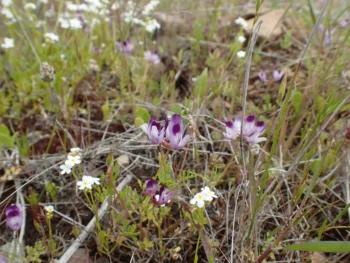
Jepson’s Milkvetch: A Mysterious California Native
If you’re a native plant enthusiast always on the hunt for something truly unique, you might have stumbled across the name Jepson’s milkvetch. This California annual is part of the fascinating Astragalus genus, but here’s the thing – it’s wrapped in quite a bit of mystery.
What We Know About Jepson’s Milkvetch
Jepson’s milkvetch (Astragalus rattanii var. jepsonianus) is an annual plant native to California. As a member of the legume family, it likely shares the nitrogen-fixing abilities that make many of its cousins so valuable in natural ecosystems. However, this particular variety is quite elusive in terms of detailed documentation.
Where Does It Grow?
This native plant calls California home, though specific distribution details within the state remain unclear. Like many California natives, it has likely adapted to the state’s Mediterranean climate and diverse microclimates.
- Species observed
- No observations
A Word of Caution: Rarity Matters
Here’s where things get important for responsible gardeners. Jepson’s milkvetch has a conservation status of S4T3, which suggests it may have limited distribution or population concerns. This means if you’re ever fortunate enough to encounter this plant or find seeds available, it’s crucial to ensure they come from ethical, responsible sources.
Never collect seeds or plants from wild populations, especially when dealing with potentially rare varieties. Instead, work with reputable native plant societies or specialized nurseries that practice sustainable propagation.
Should You Try Growing It?
The honest answer? It’s complicated. With so little information available about this specific variety’s growing requirements, success would likely require some experimentation. As an annual, it would complete its entire life cycle in one growing season, but without knowing its specific needs for germination, water, soil type, or sun exposure, it could be a challenging project.
Better-Known Alternatives
If you’re drawn to the idea of growing a native California milkvetch, consider these better-documented relatives:
- Purple milkvetch (Astragalus purpureus) – easier to find and grow
- Locoweed milkvetch (Astragalus lentiginosus) – more widely available
- Other native California legumes like lupines or clovers
The Bottom Line
Jepson’s milkvetch represents one of those intriguing gaps in our native plant knowledge. While we can’t provide a complete growing guide, its story reminds us that California’s flora still holds mysteries waiting to be better understood. If you’re interested in this plant, consider supporting botanical research or native plant conservation efforts that help document and protect these lesser-known species.
Sometimes the most valuable thing we can do as native plant gardeners is simply appreciate that not every species needs to be in our gardens – some are perfectly content remaining wild and mysterious.