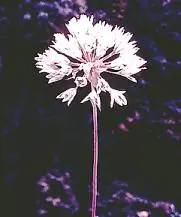
Jepson’s Onion: A Rare California Native Worth Protecting
Meet Jepson’s onion (Allium jepsonii), one of California’s botanical treasures that most gardeners will never encounter—and that’s actually part of the story. This diminutive perennial forb belongs to the same family as your kitchen onions, but unlike its common cousins, Jepson’s onion is fighting for survival in the wild.
A California Original in Crisis
Jepson’s onion is a true California native, found nowhere else on Earth. This endemic species calls the Golden State home, specifically thriving in limited areas within California’s diverse landscape. However, here’s where the story takes a serious turn: Allium jepsonii holds a Global Conservation Status of S1, meaning it’s critically imperiled. With typically five or fewer known occurrences and very few remaining individuals (fewer than 1,000), this little onion is teetering on the edge of extinction.
- Species observed
- No observations
What Makes Jepson’s Onion Special
As a perennial forb, Jepson’s onion lacks the woody tissue of shrubs and trees, instead growing as a soft-stemmed herbaceous plant. Like other members of the Allium family, it likely produces clusters of small, attractive flowers—probably in shades of pink to purple—that emerge from underground bulbs. The plant follows the classic Mediterranean growth pattern of many California natives: active growth during cooler, wetter months and dormancy during hot, dry summers.
The Reality Check: Should You Grow Jepson’s Onion?
Here’s where we need to have an honest conversation. While Jepson’s onion would theoretically make a wonderful addition to native California gardens, its critically imperiled status means it’s not readily available through normal nursery channels—and that’s actually a good thing for the species’ survival.
If You Have Access to Legitimate Sources
Should you somehow have access to responsibly sourced Jepson’s onion through conservation programs or specialized botanical institutions, here’s what you need to know:
- Climate needs: This California native likely thrives in USDA hardiness zones 8-10, matching its natural Mediterranean climate
- Soil requirements: Well-draining soil is essential—think rocky, sandy, or amended clay that doesn’t hold winter moisture
- Water wisdom: Follow the natural rainfall pattern with winter moisture and summer drought
- Sun exposure: Probably prefers full sun to partial shade, typical of many California natives
- Garden role: Perfect for rock gardens, native plant collections, or naturalized areas that mimic its wild habitat
Pollinator and Wildlife Benefits
Like other Allium species, Jepson’s onion likely serves as a valuable nectar source for native bees, butterflies, and other small pollinators. These relationships, developed over thousands of years, make the plant’s conservation even more critical—losing Jepson’s onion means losing a piece of California’s intricate ecological web.
Supporting Conservation Without Growing It
The best way most gardeners can help Jepson’s onion is by supporting its conservation indirectly:
- Donate to California native plant conservation organizations
- Choose other native Allium species for your garden, like Allium unifolium or Allium haematochiton
- Advocate for habitat protection in areas where rare plants survive
- Never collect plants from wild populations
The Bottom Line
Jepson’s onion represents both the beauty and fragility of California’s native flora. While most of us won’t grow this rare gem in our gardens, we can appreciate its role in the larger story of plant conservation. Sometimes the best way to love a plant is to let it be wild, support its protection, and choose readily available native alternatives that provide similar ecological benefits without putting pressure on imperiled populations.
Remember: every garden is an opportunity to support native biodiversity. While Jepson’s onion might be too rare for your backyard, California offers dozens of other native bulbs and wildflowers that can bring the same magic to your landscape while supporting local ecosystems.