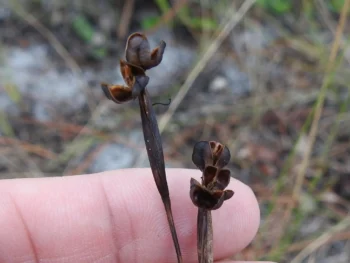
Jeweled Blue-Eyed Grass: A Rare Southeastern Native Worth Protecting
Meet one of the Southeast’s best-kept secrets: jeweled blue-eyed grass (Sisyrinchium xerophyllum). Don’t let the common name fool you—this charming little plant isn’t actually a grass at all! It’s a delicate perennial forb that produces tiny jewel-like blue flowers that seem to sparkle in the garden. If you’re lucky enough to live in Florida or Georgia, this native beauty might just be the perfect addition to your landscape.
What Makes Jeweled Blue-Eyed Grass Special?
This native perennial is a true southeastern treasure, naturally occurring only in Florida and Georgia. As a member of the iris family, jeweled blue-eyed grass produces small, star-shaped blue flowers with bright yellow centers that bloom from spring through summer. The grass-like foliage forms neat clumps that work wonderfully as groundcover or naturalized drifts in the garden.
What makes this plant particularly special is its rarity. Jeweled blue-eyed grass has a Global Conservation Status of S3, meaning it’s considered vulnerable throughout its range. With typically only 21 to 100 occurrences and between 3,000 to 10,000 individuals remaining, this little beauty needs our help!
Where Does It Grow Naturally?
Sisyrinchium xerophyllum is endemic to the southeastern United States, specifically found in Florida and Georgia. This limited geographic distribution makes it a true regional specialty that connects your garden directly to the local ecosystem.
- Species observed
- No observations
Why Plant Jeweled Blue-Eyed Grass?
There are several compelling reasons to consider adding this native gem to your landscape:
- Supports Local Pollinators: The small blue flowers attract native bees and other beneficial insects
- Low Maintenance: Once established, it’s quite drought tolerant and requires minimal care
- Native Plant Benefits: Supports local ecosystems and wildlife
- Unique Beauty: The jewel-like flowers add delicate charm to any native garden
- Conservation Value: Growing this plant helps preserve a vulnerable species
Important Considerations Before Planting
Responsible Sourcing is Critical! Given its vulnerable status, it’s absolutely essential that you only purchase jeweled blue-eyed grass from reputable native plant nurseries that ethically propagate their plants. Never collect plants from the wild, as this could further threaten wild populations.
Growing Conditions and Care
Jeweled blue-eyed grass thrives in USDA hardiness zones 8-10, making it perfect for its native southeastern range. Here’s what this little beauty needs to flourish:
Ideal Growing Conditions:
- Sunlight: Full sun to partial shade
- Soil: Well-draining soils (avoid waterlogged conditions)
- Water: Moderate moisture when establishing, then drought tolerant
- Climate: Warm, humid southeastern conditions
Perfect Garden Settings
This versatile native works beautifully in several landscape situations:
- Native plant gardens: Pairs wonderfully with other southeastern natives
- Wildflower meadows: Creates natural drifts of blue flowers
- Rock gardens: The small stature works well among stones
- Border edges: Forms neat, grass-like borders
- Naturalized areas: Perfect for low-maintenance native landscapes
Planting and Care Tips
Growing jeweled blue-eyed grass successfully is quite straightforward once you understand its needs:
- Planting time: Spring or fall for best establishment
- Spacing: Allow 6-12 inches between plants for natural spreading
- Watering: Regular water during first growing season, then reduce
- Fertilizing: Generally unnecessary in native soils
- Maintenance: Minimal pruning needed; allow to self-seed if desired
The Bottom Line
Jeweled blue-eyed grass is a wonderful choice for southeastern gardeners who want to support native ecosystems while enjoying unique, delicate beauty in their landscapes. Its vulnerable status makes responsible cultivation even more important—by growing this plant from ethically sourced material, you’re not just creating a beautiful garden, you’re helping preserve a rare southeastern treasure for future generations.
If you’re gardening outside of Florida and Georgia, consider other native Sisyrinchium species that are appropriate for your region. Every native plant we grow helps support local wildlife and creates more resilient, sustainable landscapes.