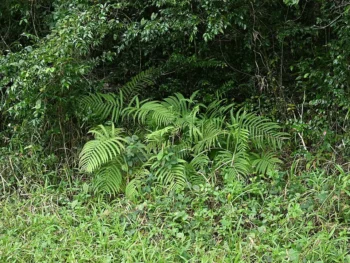
Jeweled Maiden Fern: A Delicate Beauty for Shaded Gardens
If you’re searching for an elegant fern to grace your shaded garden spaces, the jeweled maiden fern (Thelypteris opulenta) might just catch your eye. This perennial fern brings a touch of tropical sophistication to landscapes, though its story is a bit more complex than your average garden plant.
What Exactly Is the Jeweled Maiden Fern?
The jeweled maiden fern, scientifically known as Thelypteris opulenta, is a delicate perennial fern that produces graceful, lacy fronds. You might also see it referenced by its synonyms Amphineuron opulentum or Cyclosorus opulentus in older gardening literature. Like all ferns, it reproduces through spores rather than flowers, making it an interesting addition to gardens for those who appreciate plants beyond the typical blooming varieties.
Where Does It Call Home?
Here’s where things get interesting with this fern’s geographic story. The jeweled maiden fern has a somewhat complicated native status. It’s considered native to parts of the lower 48 United States and the broader Pacific Basin region, but it’s actually non-native to Hawaii, where it has naturalized and reproduces on its own. Currently, you can find it growing in Florida, Hawaii, Guam, and Palau.
- Species observed
- No observations
Garden Appeal and Landscape Role
What makes the jeweled maiden fern appealing to gardeners is its delicate, feathery appearance that adds texture and movement to shaded areas. Its lacy fronds create a soft, almost ethereal quality that works beautifully as:
- Understory plantings in woodland gardens
- Textural elements in tropical and subtropical landscapes
- Ground cover in consistently moist, shaded areas
- Companion plants for other shade-loving species
Growing Conditions and Care
If you’re considering adding this fern to your garden, success depends on mimicking its preferred natural habitat. The jeweled maiden fern thrives in:
- Light: Partial to full shade (direct sunlight can scorch the delicate fronds)
- Soil: Moist, well-draining soil with good organic content
- Moisture: Consistent moisture is key – this fern doesn’t tolerate drought well
- Humidity: Higher humidity levels promote healthy growth
- Temperature: Best suited for USDA hardiness zones 9-11
Wetland Connections
Interestingly, in the Atlantic and Gulf Coastal Plain region, the jeweled maiden fern has a Facultative Wetland status. This means it’s usually found in wetland environments but can occasionally grow in non-wetland areas. This wetland preference explains why consistent moisture is so important for successful cultivation.
Planting and Care Tips
When planting jeweled maiden fern, choose a location that stays consistently moist but doesn’t become waterlogged. Prepare the soil with plenty of organic matter like compost or leaf mold. During the growing season, regular feeding with a balanced, diluted fertilizer can help maintain healthy growth. Remember that ferns don’t produce flowers, so don’t expect blooms – their beauty lies in their foliage.
A Word About Native Alternatives
While the jeweled maiden fern can be an attractive addition to appropriate gardens, it’s worth considering native fern species for your specific region first. Native plants typically require less maintenance, support local ecosystems better, and are more likely to thrive in your local conditions. Check with your local native plant society or extension office for fern species that are truly native to your area.
The Bottom Line
The jeweled maiden fern offers delicate beauty for shaded, moist garden spaces, particularly in warmer climates. While it can be successfully grown with proper care and conditions, always consider native alternatives first. If you do choose to grow it, ensure you can provide the consistent moisture and shade it craves, and enjoy the subtle elegance this fern brings to the garden landscape.