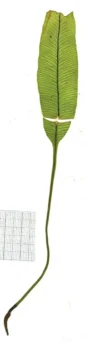
Jeweled Tonguefern: Hawaii’s Translucent Treasure
Meet the jeweled tonguefern (Elaphoglossum pellucidum), a captivating native Hawaiian fern that’s as rare as it is beautiful. This small epiphytic fern gets its common name from its distinctive translucent fronds that seem to glow like precious gems when backlit in Hawaii’s misty cloud forests.
A True Hawaiian Endemic
The jeweled tonguefern is exclusively native to the Hawaiian Islands, making it a true endemic species found nowhere else on Earth. This perennial fern calls Hawaii’s high-elevation cloud forests home, where it thrives in the constant mist and filtered sunlight of these unique ecosystems.
In Hawaii, this species has facultative upland status, meaning it usually grows in non-wetland areas but can occasionally be found in wetland environments. You might also encounter it under its scientific synonym, Elaphoglossum micradenium.
- Species observed
- No observations
Important Conservation Considerations
Before we dive into growing this beauty, there’s something crucial to know: the jeweled tonguefern has a conservation status that’s currently undefined but potentially concerning. This rarity makes it especially important to only work with responsibly sourced plants if you’re considering adding one to your collection.
Never collect from wild populations. Instead, seek out reputable native plant nurseries or botanical institutions that propagate these ferns ethically.
What Makes This Fern Special?
The jeweled tonguefern is an epiphytic species, meaning it grows on other plants (usually trees) rather than in soil. What sets it apart from other ferns is its remarkably translucent fronds that create an almost ethereal appearance. These delicate, tongue-shaped leaves have a unique pellucid quality – they’re so thin that light passes through them, creating that signature jeweled effect.
Is It Right for Your Garden?
This isn’t your typical backyard fern. The jeweled tonguefern is best suited for:
- Specialized tropical shade gardens
- Native Hawaiian landscape restorations
- Greenhouse collections with controlled humidity
- Advanced terrarium setups
- Epiphyte displays on tree fern trunks or cork bark
Since ferns reproduce through spores rather than flowers, don’t expect this plant to attract pollinators. However, it does contribute to the unique biodiversity of Hawaiian ecosystems and can provide habitat for small invertebrates.
Growing Conditions and Care
If you’re fortunate enough to obtain a responsibly sourced jeweled tonguefern, here’s what it needs to thrive:
Climate Requirements: This tropical species requires USDA hardiness zones 10-12, making it suitable only for the warmest regions or greenhouse cultivation in cooler areas.
Light: Provide bright, filtered light that mimics the dappled sunlight of cloud forests. Direct sun will quickly damage the delicate fronds.
Humidity: High humidity is absolutely essential – aim for 70-90% if possible. This makes it challenging to grow indoors without specialized equipment.
Growing Medium: As an epiphyte, it needs excellent drainage. Use a chunky, well-draining mix of orchid bark, sphagnum moss, and perlite, or mount it on cork bark or tree fern fiber.
Watering: Keep consistently moist but never waterlogged. The key is providing moisture while ensuring excellent air circulation around the roots.
The Bottom Line
The jeweled tonguefern is a stunning addition to any serious tropical plant collection, but it comes with significant responsibilities. Its rarity means every plant in cultivation is precious, and its specific growing requirements make it suitable only for dedicated growers who can meet its needs.
If you’re drawn to native Hawaiian plants but find the jeweled tonguefern too challenging or difficult to source responsibly, consider other native Hawaiian ferns like the Hawaiian tree fern (Cibotium glaucum) or bird’s nest fern varieties native to the islands. These alternatives can give you that tropical Hawaiian feel while being more readily available and easier to grow.
Remember, when we choose to grow rare native species, we become stewards of biodiversity – a responsibility that’s both humbling and rewarding.