Jeweled Wakerobin: A Rare Southeastern Treasure for Your Shade Garden
If you’re looking to add a touch of woodland magic to your shade garden, the jeweled wakerobin (Trillium simile) might just be the perfect native plant for you. This enchanting spring ephemeral is a true gem of the southeastern United States, though its beauty comes with an important conservation story every gardener should know.
What Makes Jeweled Wakerobin Special
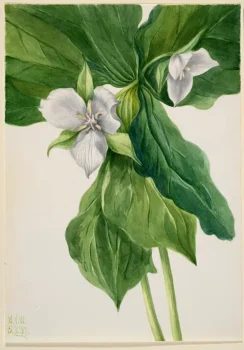
The jeweled wakerobin earns its common name through its stunning three-petaled white flowers that often feature delicate pink or purple markings, creating a jewel-like appearance in the spring woodland. Like all trilliums, this perennial forb showcases the classic rule of three – three leaves, three petals, and three sepals arranged in perfect symmetry.
As a spring ephemeral, jeweled wakerobin puts on its show early in the season, typically blooming from March to May before the tree canopy fully leafs out. The plant emerges from underground rhizomes each spring, reaching about 6-12 inches tall with a similar spread.
Where Does It Grow Naturally?
Jeweled wakerobin is native to the southeastern United States, naturally occurring in Georgia, North Carolina, South Carolina, and Tennessee. In the wild, you’ll find it gracing the floors of rich deciduous forests and wooded slopes, where it thrives in the dappled light and rich, organic soils.
- Species observed
- No observations
Important Conservation Considerations
Before you fall head-over-heels for this woodland beauty, there’s something crucial you need to know: jeweled wakerobin has a Global Conservation Status of S3, meaning it’s considered vulnerable. With typically only 21-100 known occurrences and between 3,000-10,000 individuals in the wild, this species needs our protection.
If you choose to grow jeweled wakerobin, please only purchase from reputable nurseries that propagate their own plants or have verified sustainable collection practices. Never collect plants from the wild, as this threatens already vulnerable populations.
Why Grow Jeweled Wakerobin?
Despite its rarity status – or perhaps because of it – there are compelling reasons to include this native treasure in your garden:
- Supports early spring pollinators like flies and beetles when few other flowers are available
- Provides authentic southeastern woodland character to shade gardens
- Low maintenance once established in suitable conditions
- Creates beautiful naturalistic drifts over time
- Contributes to native plant conservation when responsibly sourced
Growing Conditions and Care
Jeweled wakerobin thrives in conditions that mimic its native woodland habitat. Here’s what it needs to flourish:
Light: Partial to full shade – think dappled sunlight filtering through tree branches
Soil: Moist, well-draining soil rich in organic matter. It appreciates the kind of humus-rich earth you’d find on a forest floor.
Hardiness: Hardy in USDA zones 5-8, making it suitable for most southeastern and mid-Atlantic gardens
Water: Consistent moisture during the growing season, but not waterlogged conditions
Planting and Care Tips
Successfully growing jeweled wakerobin requires patience and the right approach:
- Plant dormant rhizomes in fall, about 2-3 inches deep
- Choose a location with consistent shade and protection from harsh winds
- Amend soil with plenty of compost or leaf mold to mimic forest conditions
- Apply a light mulch of shredded leaves to retain moisture and suppress weeds
- Avoid disturbing established plants – they can be slow to recover from root damage
- Be patient – newly planted trilliums may take 2-3 years to become fully established
Garden Design Ideas
Jeweled wakerobin shines brightest in woodland and shade garden settings. Consider pairing it with other native woodland plants like wild ginger, bloodroot, or native ferns. It’s perfect for:
- Naturalistic woodland gardens
- Native plant gardens focused on southeastern species
- Spring ephemeral collections
- Shaded areas under mature trees
The Bottom Line
Jeweled wakerobin is a stunning addition to the right garden, offering both beauty and ecological value. However, its vulnerable conservation status means we must be responsible stewards. If you decide to grow this special plant, invest in nursery-propagated specimens and help spread the word about the importance of protecting our native flora.
With proper care and responsible sourcing, you can enjoy this southeastern treasure while contributing to its conservation – now that’s what we call a win-win for both gardener and nature!