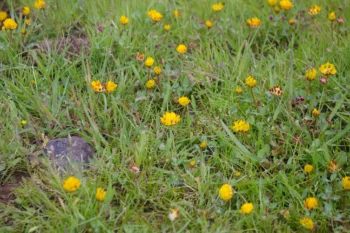
Jim’s Clover: A Rare California Native Worth Protecting
If you’ve stumbled across the name Jim’s clover (Trifolium jokerstii), you’ve discovered one of California’s botanical treasures – and one of its rarest. This little-known native annual is so uncommon that finding reliable information about it is like searching for a needle in a haystack. But that’s exactly what makes it so special.
What Makes Jim’s Clover So Special?
Jim’s clover is a native annual forb – essentially a soft-stemmed, non-woody plant that completes its entire life cycle in one growing season. As a member of the Trifolium genus, it’s related to the familiar clovers you might see in lawns and pastures, but this California endemic has carved out its own unique niche in the Golden State’s diverse ecosystem.
What truly sets this plant apart is its rarity. With a Global Conservation Status of S2 (Imperiled), Jim’s clover is extremely vulnerable, with typically only 6 to 20 known occurrences and potentially just 1,000 to 3,000 individual plants remaining in the wild. This makes every single plant incredibly precious.
Where Does Jim’s Clover Call Home?
This rare beauty is found exclusively in California, making it a true Golden State endemic. Its limited distribution is part of what makes it so vulnerable to extinction – when a species exists in such a small area, any habitat disturbance can have devastating effects on the entire population.
- Species observed
- No observations
Should You Grow Jim’s Clover?
Here’s where things get tricky. While supporting native plants is always admirable, Jim’s clover presents a unique situation. Its extreme rarity means that:
- Seeds or plants are extremely difficult (if not impossible) to obtain through commercial sources
- Any plant material must be responsibly sourced to avoid further impacting wild populations
- Growing it requires a deep commitment to conservation ethics
- Specific growing requirements are not well-documented, making successful cultivation challenging
A Conservation Approach to Rare Natives
If you’re passionate about supporting California’s native flora, there are several ways to make a positive impact:
- Support conservation organizations working to protect rare plant habitats
- Choose abundant native alternatives like other California clovers that provide similar ecological benefits without conservation concerns
- Create habitat corridors using common native plants that might eventually support rare species recovery
- Participate in citizen science projects that help researchers locate and monitor rare plant populations
The Mystery of Jim’s Clover
One of the most intriguing aspects of Jim’s clover is how little we know about it. This knowledge gap isn’t unusual for rare plants – when species exist in such small numbers, detailed ecological studies become challenging and expensive. We don’t have comprehensive information about its preferred growing conditions, pollinator relationships, or specific habitat requirements.
This mystery makes Jim’s clover both fascinating and frustrating for plant enthusiasts. It serves as a reminder that California’s botanical diversity includes many species that remain largely unstudied and unappreciated.
What You Can Do Instead
While growing Jim’s clover might not be practical for most gardeners, you can still support California’s native plant heritage by:
- Planting common California native clovers and legumes that provide similar nitrogen-fixing benefits
- Creating wildlife habitat with well-established native plants
- Supporting local native plant societies and botanical gardens
- Advocating for habitat protection in areas where rare species might occur
The Bigger Picture
Jim’s clover represents something larger than just one rare plant – it symbolizes the incredible, often hidden diversity of California’s native flora. Every rare species like this one plays a role in maintaining the complex web of relationships that keep ecosystems healthy and resilient.
While you might not be able to grow Jim’s clover in your garden, knowing about it can deepen your appreciation for the remarkable botanical heritage right in California’s backyard. Sometimes, the greatest act of gardening love is knowing when to admire from a distance while working to protect what remains.
The next time you encounter any native clover in the wild, take a moment to appreciate it – you never know when you might be looking at something as rare and precious as Jim’s clover.