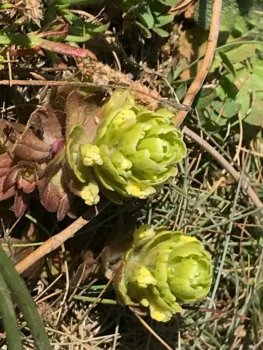
Johnny-Nip: A Coastal Native Wildflower Worth Getting to Know
If you’re looking for a charming native annual that brings both color and coastal character to your garden, let me introduce you to johnny-nip (Castilleja ambigua ambigua). This delightful little wildflower might not be the most famous member of the paintbrush family, but it’s got plenty of personality packed into its compact frame.
What Makes Johnny-Nip Special?
Johnny-nip is a native annual forb that calls the Pacific Coast home. Like other members of the Castilleja genus, it’s known for its distinctive flowering display where the colorful bracts (modified leaves) often steal the show from the actual flowers. You’ll see these bracts painted in lovely shades of yellow, pink, or red, creating a subtle but beautiful splash of color in coastal landscapes.
This native beauty grows naturally from British Columbia down through Washington, Oregon, and into California, making it a true West Coast native. It’s particularly fond of coastal areas and has developed a remarkable tolerance for salty conditions that would send many garden plants packing.
- Species observed
- No observations
Why Consider Johnny-Nip for Your Garden?
Here are some compelling reasons to give this native annual a spot in your landscape:
- True native credentials: Supporting local ecosystems by growing plants that naturally belong in your region
- Pollinator magnet: Attracts hummingbirds, butterflies, and native bees with its tubular flowers
- Coastal tough: Thrives in challenging coastal conditions including salt spray and sandy soils
- Low maintenance: Once established, it’s quite drought-tolerant
- Naturalized beauty: Perfect for wildflower meadows and naturalized garden areas
Where Does Johnny-Nip Fit in Your Garden?
This charming annual works beautifully in several garden styles:
- Native plant gardens: A natural choice for authentic regional plantings
- Coastal landscapes: Ideal for seaside gardens where salt tolerance is crucial
- Wildflower meadows: Adds gentle color to naturalized areas
- Pollinator gardens: Provides nectar for beneficial insects and hummingbirds
Growing Johnny-Nip Successfully
While johnny-nip can be a bit particular about its growing conditions, understanding its preferences will help you succeed:
Ideal Growing Conditions
- Sunlight: Full sun is best
- Soil: Well-draining soil is essential; it tolerates sandy, coastal soils well
- Water: Drought-tolerant once established, but appreciates some moisture during germination
- Climate: Hardy in USDA zones 8-10, particularly coastal areas
Planting and Care Tips
Johnny-nip can be a bit challenging to cultivate, but here are some strategies for success:
- Direct seeding: Best planted by direct seeding in fall or early spring rather than transplanting
- Soil preparation: Ensure excellent drainage; amend heavy soils with sand or gravel
- Watering: Keep soil lightly moist during germination, then reduce watering as plants establish
- Maintenance: Minimal care needed once established; allow plants to self-seed for natural succession
A Word About Conservation
Johnny-nip has a conservation status that suggests it’s not currently at high risk, but like many native plants, it benefits from gardeners choosing to grow and preserve it. If you decide to add it to your garden, make sure to source seeds or plants from reputable native plant nurseries that use responsibly collected genetic material.
Is Johnny-Nip Right for Your Garden?
Johnny-nip is an excellent choice if you’re gardening in coastal areas of the Pacific Northwest or California and want to support native ecosystems while adding gentle, natural beauty to your landscape. It’s particularly well-suited for gardeners who appreciate the subtle charm of native wildflowers and want to create habitat for local pollinators.
Keep in mind that this annual can be somewhat challenging to establish and may not provide the bold, immediate impact of some garden favorites. However, for patient gardeners who value authenticity and ecological benefits, johnny-nip offers a wonderful way to connect your garden to the natural coastal landscapes of the Pacific Coast.