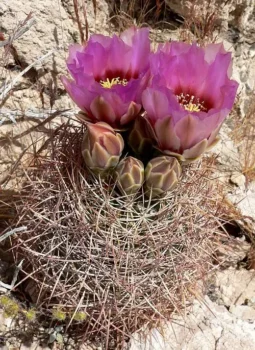
Johnson’s Fishhook Cactus: A Spiny Jewel for Desert Gardens
If you’re looking to add some authentic southwestern charm to your landscape, Johnson’s fishhook cactus (Echinomastus johnsonii) might just be the perfect prickly companion you’ve been searching for. This compact desert native brings both character and low-maintenance appeal to xeriscaped gardens across the American Southwest.
What Makes Johnson’s Fishhook Cactus Special?
Don’t let the name fool you – this little cactus won’t snag your fishing line, but its distinctive curved spines do bear an uncanny resemblance to fishhooks. Johnson’s fishhook cactus is a small, barrel-shaped perennial that stays delightfully compact, making it perfect for gardeners who want desert authenticity without the sprawling commitment of larger cacti.
This charming native species goes by the botanical name Echinomastus johnsonii, though you might occasionally see it listed under several synonyms including Echinocactus johnsonii or Neolloydia johnsonii in older gardening references.
Where It Calls Home
Johnson’s fishhook cactus is proudly native to the lower 48 states, specifically thriving across Arizona, California, Nevada, and Utah. In the wild, you’ll find it dotting the Mojave Desert landscape, perfectly adapted to the harsh yet beautiful conditions of this iconic American desert region.
- Species observed
- No observations
Why Consider This Cactus for Your Garden?
Here’s where Johnson’s fishhook cactus really shines as a garden companion:
- Drought champion: Once established, this cactus thrives with minimal water, making it perfect for water-wise landscaping
- Compact size: It stays small and manageable, ideal for rock gardens, containers, or accent plantings
- Spring blooms: Despite its spiny exterior, it produces lovely pink to magenta flowers that attract native pollinators
- Native authenticity: Supporting local ecosystems while creating an authentic southwestern aesthetic
- Low maintenance: Perfect for busy gardeners or those new to desert gardening
A Word About Conservation
Before you rush out to find this cactus, it’s worth noting that Johnson’s fishhook cactus has a conservation status that requires some consideration. While not critically endangered, it’s not as common as some other desert plants. If you choose to add this species to your garden, please source it responsibly from reputable nurseries that propagate their plants rather than wild-collecting them. This helps ensure wild populations remain stable for future generations to enjoy.
Perfect Garden Settings
Johnson’s fishhook cactus works beautifully in several garden styles:
- Desert gardens: Pairs wonderfully with other native southwestern plants
- Rock gardens: Tucks perfectly between boulders and gravel
- Xeriscapes: An authentic choice for water-wise landscapes
- Container gardens: Excellent for pots and planters on patios
- Cactus collections: Adds interesting texture and form diversity
Growing Conditions That Make It Happy
Like most desert natives, Johnson’s fishhook cactus has some non-negotiable preferences:
- Sunlight: Full sun is essential – this cactus loves to bask
- Drainage: Excellent drainage is absolutely critical; soggy soil is its kryptonite
- Soil: Sandy, gravelly, or rocky soils work best
- Water: Minimal irrigation once established
- Climate: Best suited for USDA hardiness zones 9-11
Planting and Care Tips
Getting your Johnson’s fishhook cactus established successfully is easier than you might think:
- Soil preparation: Mix in coarse sand, gravel, or pumice to improve drainage in heavier soils
- Planting: Plant at the same depth it was in its container
- Initial watering: Water lightly after planting, then wait for soil to dry completely
- Ongoing care: Water sparingly during growing season, avoid watering in winter
- Winter protection: May need protection from hard frost in marginal zones
- Fertilizing: Generally unnecessary; desert soils are naturally what it prefers
Supporting Desert Wildlife
While small, Johnson’s fishhook cactus still plays its part in supporting local ecosystems. Its spring flowers provide nectar for native bees and other small desert pollinators, making it a valuable addition to wildlife-friendly gardens. Every native plant helps create habitat corridors that support the intricate web of desert life.
Is This Cactus Right for You?
Johnson’s fishhook cactus is an excellent choice if you’re gardening in the southwestern United States, want to embrace water-wise landscaping, and appreciate the unique beauty of desert plants. It’s particularly perfect for gardeners who want something distinctive but manageable, and those who enjoy supporting native plant conservation.
However, if you live outside zones 9-11, have heavy clay soil with poor drainage, or prefer lush, tropical garden styles, you might want to consider other options that better match your climate and aesthetic preferences.
For desert gardeners looking to create authentic, sustainable landscapes that celebrate the natural beauty of the American Southwest, Johnson’s fishhook cactus offers a perfect blend of character, conservation value, and low-maintenance charm. Just remember to source it responsibly, and you’ll have a spiny little conversation starter that embodies the resilient spirit of the desert.