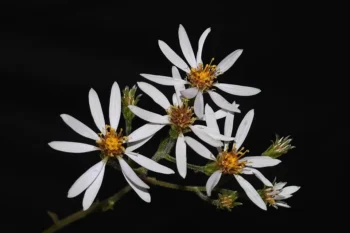
Jones’ Aster: A Rare Southeastern Native Worth Growing Responsibly
If you’re looking to add some late-season sparkle to your native garden, Jones’ aster might just be the hidden gem you’ve been searching for. This charming perennial wildflower brings delicate beauty to the fall landscape while supporting local pollinators when many other flowers have called it quits for the year.
What is Jones’ Aster?
Jones’ aster (Eurybia jonesiae) is a native perennial wildflower that belongs to the large and beloved aster family. You might also see it listed under its former scientific name, Aster jonesiae, in older gardening references. As a herbaceous perennial, this plant dies back to the ground each winter and returns with fresh growth each spring.
Where Does Jones’ Aster Call Home?
This southeastern beauty has a pretty exclusive address – you’ll only find Jones’ aster naturally growing in Alabama and Georgia. Its limited native range makes it a special addition to gardens in these states, as you’ll be growing a truly local wildflower that’s perfectly adapted to your regional conditions.
- Species observed
- No observations
A Word of Caution: Rarity Matters
Here’s something important to know before you start planning: Jones’ aster has a global conservation status that suggests it may be uncommon in the wild. This means that if you decide to grow this lovely native, it’s crucial to source your plants or seeds responsibly. Always purchase from reputable native plant nurseries that propagate their own stock rather than collecting from wild populations.
Why Grow Jones’ Aster?
There are several compelling reasons to consider adding this native charmer to your garden:
- Perfect timing: Blooms in fall when pollinators need late-season nectar sources
- Pollinator magnet: Attracts butterflies, bees, and other beneficial insects
- Low maintenance: Once established, requires minimal care
- True native: Supports local ecosystems and wildlife
- Naturalistic beauty: Adds authentic wildflower charm to your landscape
Growing Conditions and Care
Jones’ aster is relatively easy-going once you understand its preferences. This adaptable native typically thrives in partial shade to full sun conditions and prefers well-drained soils. Given its natural range in Alabama and Georgia, it’s likely hardy in USDA zones 7-9.
As with many native wildflowers, the key to success is mimicking its natural habitat. Plant it in areas that receive good air circulation and avoid overly wet or compacted soils. Once established, Jones’ aster should be quite drought tolerant and require minimal supplemental watering.
Garden Design Ideas
Jones’ aster works beautifully in several garden settings:
- Native plant gardens: Perfect companion for other southeastern natives
- Naturalized areas: Let it spread and create drifts for maximum impact
- Woodland edges: Bridges the gap between forest and open garden spaces
- Pollinator gardens: Provides crucial late-season blooms
The Bottom Line
Jones’ aster is a wonderful choice for gardeners in Alabama and Georgia who want to grow truly local native plants. Its fall blooms provide essential resources for pollinators preparing for winter, and its low-maintenance nature makes it a practical addition to naturalistic gardens.
Just remember to source your plants responsibly from reputable nurseries that grow their own stock. By choosing Jones’ aster, you’re not just adding beauty to your garden – you’re also supporting conservation efforts and helping preserve this special southeastern native for future generations to enjoy.