Jones’ Blazingstar: A Dazzling Desert Native for Water-Wise Gardens
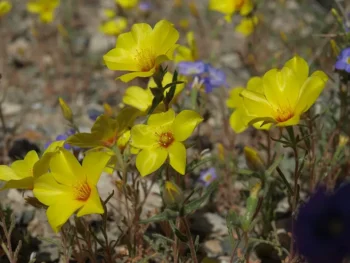
If you’re looking to add a splash of sunshine to your drought-tolerant garden, Jones’ blazingstar (Mentzelia jonesii) might just be the golden ticket you’ve been searching for. This charming annual wildflower brings desert beauty right to your backyard with its brilliant yellow, star-shaped blooms that seem to glow in the landscape.
What Makes Jones’ Blazingstar Special?
Jones’ blazingstar is a true southwestern native, naturally occurring across Arizona, California, Nevada, and Utah. As an annual forb herb, this delightful plant completes its entire life cycle in just one growing season, making it perfect for gardeners who enjoy seasonal variety in their landscapes.
The plant produces stunning yellow flowers with prominent stamens that create an almost fireworks-like display – hence the blazingstar name! These eye-catching blooms typically appear in spring and early summer, creating a spectacular show when planted in masses.
- Species observed
- No observations
Why Grow Jones’ Blazingstar?
There are several compelling reasons to consider adding this native beauty to your garden:
- Water-wise wonder: Once established, it thrives with minimal irrigation, making it perfect for xeriscapes and drought-prone areas
- Pollinator magnet: The nectar-rich flowers attract bees, butterflies, and other beneficial pollinators to your garden
- Low maintenance: As a native annual, it requires very little care once it gets going
- Authentic southwestern charm: Adds genuine regional character to desert and native plant gardens
Perfect Garden Settings
Jones’ blazingstar shines brightest in:
- Desert and xeriscape gardens
- Native plant landscapes
- Rock gardens and gravelly areas
- Wildflower meadows
- Water-wise borders and accents
Growing Conditions and Care
This desert native is refreshingly easy to grow when given the right conditions:
Climate: Thrives in USDA hardiness zones 8-10, where it can handle the heat and occasional cold snaps.
Sunlight: Requires full sun to produce its best flower display – at least 6 hours of direct sunlight daily.
Soil: Prefers well-draining sandy or rocky soils. Heavy, clay soils that retain moisture can spell trouble for this desert dweller.
Water: Extremely drought tolerant once established. Overwatering is more harmful than underwatering for this tough little plant.
Planting and Care Tips
Getting Jones’ blazingstar established in your garden is straightforward:
- Seeding: Direct seed in fall for spring germination, mimicking natural growing patterns
- Spacing: Allow adequate space between plants for good air circulation
- Watering: Provide minimal supplemental water; this plant actually prefers lean conditions
- Fertilizer: Skip the fertilizer – rich soils can actually reduce flowering
Important Conservation Note
Jones’ blazingstar has a conservation status that suggests it’s uncommon to fairly common in its native range. If you’re interested in growing this species, please ensure you source seeds or plants from reputable native plant nurseries that practice responsible collection methods. Avoid collecting from wild populations.
The Bottom Line
Jones’ blazingstar offers southwestern gardeners a fantastic opportunity to grow an authentic native that’s both beautiful and beneficial to local ecosystems. While it may be an annual that requires replanting, its stunning floral display, pollinator value, and ultra-low water needs make it a worthwhile addition to any water-wise garden. Just remember to source your plants responsibly and give them the sunny, well-draining conditions they crave!