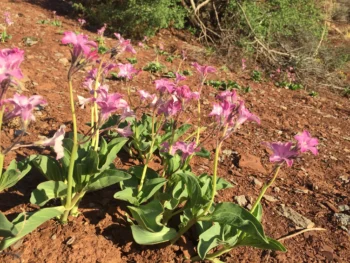
Jones’ Waxydogbane: A Rare Desert Gem Worth Protecting
If you’re passionate about conservation gardening and have a soft spot for rare native plants, Jones’ waxydogbane (Cycladenia humilis var. jonesii) might just capture your heart. This little-known desert perennial is a true botanical treasure, but it comes with some important considerations that every responsible gardener should know.
What Makes Jones’ Waxydogbane Special?
Jones’ waxydogbane is a charming herbaceous perennial that belongs to the dogbane family. Despite its somewhat intimidating botanical name, this plant is actually quite endearing with its small, waxy white to pale pink tubular flowers that appear in clusters. The waxy part of its common name comes from the distinctive texture of its blooms, which have an almost porcelain-like quality that catches the eye.
As a forb (a fancy term for a non-woody flowering plant), it maintains a low, compact growth habit that makes it perfect for tucking into rock gardens or desert landscapes. Don’t expect a towering specimen – this modest beauty keeps things understated and elegant.
Where Does It Call Home?
This native plant species has quite an exclusive address. Jones’ waxydogbane is found naturally only in Arizona and Utah, where it has adapted to the challenging conditions of the American Southwest. It’s a true regional specialist, having evolved specifically for the unique climate and soil conditions of these desert and semi-arid environments.
- Species observed
- No observations
The Conservation Reality Check
Here’s the important part every gardener needs to know: Jones’ waxydogbane carries a Threatened status in the United States. This means that in the wild, this species is facing significant challenges and its populations are declining or at risk.
What does this mean for you as a gardener? If you’re determined to grow this rare beauty, you absolutely must source it responsibly. This means:
- Never collect plants from the wild – this is both illegal and harmful to remaining populations
- Only purchase from reputable native plant nurseries that propagate from legally obtained, ethically sourced material
- Consider participating in conservation seed collection programs if available in your area
- Think of yourself as a conservation guardian rather than just a gardener
Is This Plant Right for Your Garden?
Jones’ waxydogbane isn’t for every gardener or every garden situation. It’s best suited for those who are:
- Committed to native plant conservation
- Experienced with desert or xerophytic gardening
- Located in USDA hardiness zones 5-9
- Able to provide specialized growing conditions
This plant shines in rock gardens, desert landscapes, native plant demonstrations, and conservation gardens. It’s not the right choice for traditional perennial borders or high-water landscapes.
Growing Conditions and Care
If you decide to take on the responsibility of growing Jones’ waxydogbane, here’s what this desert native needs to thrive:
Soil: Excellent drainage is absolutely critical. Think sandy, rocky, or gravelly soils that mimic its natural desert habitat. Heavy clay or constantly moist soils will quickly spell disaster for this plant.
Sun: Full sun to partial shade works best, though it can handle the intense sun of its native range once established.
Water: Drought tolerance is one of its superpowers, but it will need some supplemental water during establishment. Once settled in, it prefers the tough love approach to watering.
Planting: Spring planting gives the best results, allowing the plant a full growing season to establish before winter.
The Pollinator Connection
One of the wonderful benefits of growing Jones’ waxydogbane is its value to native pollinators. The tubular flowers are particularly attractive to native bees and other specialized desert pollinators that have co-evolved with plants in the dogbane family. By growing this plant, you’re supporting not just the plant species itself, but the entire web of relationships that depend on it.
The Bottom Line
Jones’ waxydogbane is definitely not an impulse purchase or a beginner’s plant. It requires commitment, proper sourcing, and specialized care. However, for the conservation-minded gardener who’s up for the challenge, it offers the rare opportunity to participate directly in preserving a threatened native species while creating habitat for specialized pollinators.
Before you decide to grow this plant, ask yourself: Are you ready to be a conservation partner? Do you have the right growing conditions? Can you source it responsibly? If the answer is yes to all three, then Jones’ waxydogbane might just be the meaningful addition your native garden has been waiting for.