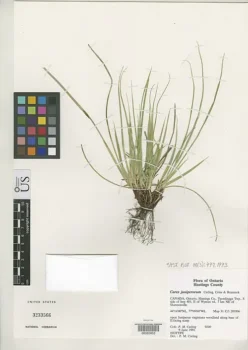
Juniper Sedge: A Rare Native Gem for the Dedicated Gardener
If you’re the type of gardener who gets excited about growing something truly special—something your neighbors have probably never heard of—then juniper sedge (Carex juniperorum) might just be your next obsession. This little-known native sedge is like the quiet kid in class who turns out to be absolutely fascinating once you get to know them.
What Exactly Is Juniper Sedge?
Juniper sedge is a perennial grass-like plant that belongs to the sedge family (Cyperaceae). Don’t let the grass-like description fool you into thinking it’s boring—sedges have their own unique charm and ecological importance. This particular species forms small, well-behaved clumps of narrow, arching foliage that adds texture and subtle beauty to the garden.
Where Does It Call Home?
This North American native has a relatively limited range, naturally occurring in parts of Ontario, Kentucky, Ohio, and Virginia. It’s one of those plants that has found its niche in very specific conditions and hasn’t felt the need to wander far from home.
- Species observed
- No observations
A Word of Caution: This Is a Special Plant
Here’s where things get serious for a moment. Juniper sedge has a Global Conservation Status of S3, which means it’s considered vulnerable. With only 21 to 100 known occurrences and an estimated 3,000 to 10,000 individuals in the wild, this isn’t your run-of-the-mill garden plant. If you’re interested in growing juniper sedge, please—and we cannot stress this enough—only source it from reputable native plant nurseries that grow their stock responsibly. Never collect from wild populations.
Why Grow Juniper Sedge?
So why would you want to grow this rare beauty? Here are a few compelling reasons:
- Conservation impact: By growing responsibly sourced juniper sedge, you’re helping preserve genetic diversity and supporting conservation efforts
- Unique garden addition: You’ll have a conversation starter that few other gardeners can claim
- Low maintenance: Once established, it’s quite drought tolerant and requires minimal care
- Native ecosystem support: It provides habitat structure for small wildlife and insects
Perfect Garden Situations
Juniper sedge isn’t going to be the star of your front yard flower bed, but it shines in the right setting:
- Native plant gardens focused on regional species
- Rock gardens with well-draining soil
- Woodland edge plantings
- Naturalistic landscapes that mimic local ecosystems
Growing Conditions That Make It Happy
Juniper sedge has some specific preferences, which probably explains why it’s not more widespread:
- Soil: Prefers calcareous (alkaline) soils with good drainage
- Light: Partial shade to full sun
- Moisture: Dry to moderately moist conditions
- Climate: Hardy in USDA zones 4-7
Planting and Care Tips
The good news is that once you’ve found a source for juniper sedge, it’s relatively easy to grow:
- Plant in spring or fall when temperatures are moderate
- Ensure soil drains well—soggy conditions are not its friend
- Water regularly the first year to help establishment
- Once established, it’s quite drought tolerant
- Little to no fertilizer needed—it’s adapted to lean soils
- Divide clumps every few years if you want to propagate (and share responsibly!)
Wildlife and Pollinator Benefits
While juniper sedge won’t have butterflies throwing parties on its blooms (sedges are wind-pollinated), it does provide valuable habitat structure. Small insects find shelter among its foliage, and it contributes to the overall ecosystem complexity that supports biodiversity.
The Bottom Line
Juniper sedge isn’t for every gardener or every garden. It’s for the plant enthusiast who appreciates subtle beauty, values conservation, and wants to grow something genuinely special. If you decide to add this rare native to your collection, you’ll be joining a small but dedicated group of gardeners helping to preserve a piece of North American botanical heritage.
Just remember: with great rarity comes great responsibility. Source ethically, grow with care, and maybe—just maybe—help ensure that future generations of gardeners will have the chance to discover juniper sedge too.