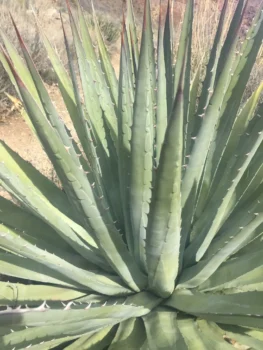
Kaibab Agave: A Rare Southwestern Beauty for Desert Gardens
If you’re looking to add authentic southwestern character to your landscape, the Kaibab agave (Agave utahensis var. kaibabensis) might just be the perfect native plant for your garden. This striking succulent brings both dramatic beauty and ecological value to desert landscapes, though its rarity makes it a special addition that requires thoughtful consideration.
What Makes Kaibab Agave Special?
The Kaibab agave is a compact, perennial succulent that forms attractive rosettes of blue-gray to gray-green leaves. Despite being classified botanically as a forb herb, this plant has the classic agave appearance we all recognize – thick, fleshy leaves arranged in a beautiful symmetrical pattern. What sets this variety apart is its more modest size compared to its larger agave cousins, making it perfect for smaller spaces.
This native plant species is indigenous to the lower 48 states, specifically thriving in the unique high-desert environments of Arizona and Utah. You’ll find it naturally growing in the Kaibab Plateau region, where it has adapted perfectly to the challenging conditions of the American Southwest.
- Species observed
- No observations
A Word About Rarity
Before we dive into growing tips, it’s important to know that Kaibab agave has a Global Conservation Status of S4T3, indicating it’s considered rare in its native range. If you’re interested in adding this beauty to your garden, please make sure to source it responsibly from reputable native plant nurseries that propagate their stock rather than wild-collect it.
Why Choose Kaibab Agave for Your Garden?
This native gem offers several compelling reasons to earn a spot in your landscape:
- Authentic regional character: Nothing says Southwest quite like a native agave
- Low maintenance: Once established, it requires minimal care and water
- Pollinator magnet: When it eventually flowers (after many years), it provides nectar for bats, hummingbirds, and various insects
- Year-round interest: The sculptural rosette form looks stunning in all seasons
- Perfect for xeriscaping: Ideal for water-wise gardening practices
Where Does It Fit in Your Landscape?
Kaibab agave works beautifully as a specimen plant in rock gardens, desert landscapes, and xeriscaped areas. Its compact size makes it suitable for smaller gardens where larger agaves might overwhelm the space. Consider using it as a focal point in graveled areas, paired with other native southwestern plants, or clustered in groups for dramatic impact.
This plant is perfectly suited for desert gardens, southwestern-themed landscapes, and any garden design that celebrates the natural beauty of arid regions. It’s also excellent for containers on patios and decks, where you can appreciate its architectural form up close.
Growing Conditions and Care
The good news is that Kaibab agave is refreshingly easy to grow once you understand its basic needs:
- Sunlight: Thrives in full sun exposure
- Soil: Requires well-draining soil – this is crucial for preventing root rot
- Water: Drought tolerant once established; water sparingly
- Climate: Hardy in USDA zones 7-10
Planting and Care Tips
Getting your Kaibab agave off to a good start is straightforward:
- Plant in spring or fall when temperatures are moderate
- Ensure excellent drainage by amending heavy soils with sand, gravel, or pumice
- Water deeply but infrequently – allow soil to dry completely between waterings
- Avoid overwatering, especially in winter when the plant is dormant
- Protect from excessive moisture and poor drainage, which can cause rot
- Give it space to grow – while compact, it will expand over time
The Bottom Line
Kaibab agave is a wonderful choice for gardeners who want to embrace native southwestern plants in their landscape. Its combination of striking beauty, low maintenance requirements, and ecological benefits make it a valuable addition to the right garden setting. Just remember to source it responsibly given its rarity status, and provide the well-draining conditions it needs to thrive.
Whether you’re creating a full desert garden or just adding a touch of southwestern flair to your landscape, this remarkable native plant will reward you with years of sculptural beauty and the satisfaction of supporting local ecosystems.