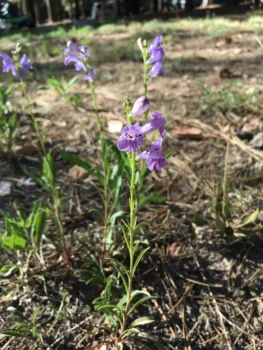
Kaibab Plateau Beardtongue: A Rare Native Gem Worth Protecting
Meet the Kaibab Plateau beardtongue (Penstemon pseudoputus), a stunning yet elusive native wildflower that calls the high country of Arizona and Utah home. This perennial beauty is one of nature’s more exclusive offerings – and that’s exactly why it deserves our attention and respect.
A Plant with Limited Real Estate
The Kaibab Plateau beardtongue has quite the selective taste when it comes to where it lives. You’ll find this native gem exclusively in Arizona and Utah, where it has carved out its niche in some pretty specific landscapes. As a perennial forb (that’s garden-speak for a non-woody flowering plant), it comes back year after year, adding reliable beauty to its natural habitat.
- Species observed
- No observations
The Rarity Factor: Handle with Care
Here’s where things get serious: Penstemon pseudoputus carries a Global Conservation Status of S3, meaning it’s considered vulnerable. With only 21 to 100 known occurrences and an estimated 3,000 to 10,000 individuals in the wild, this isn’t your run-of-the-mill garden center find. If you’re considering adding this beauty to your landscape, sourcing becomes critically important.
Important: Only obtain Kaibab Plateau beardtongue from reputable native plant nurseries that use responsibly sourced, locally adapted seed or propagated material. Never collect from wild populations.
Why Gardeners Fall for Beardtongues
Like its penstemon cousins, the Kaibab Plateau beardtongue likely offers several garden-worthy qualities:
- Native status means it’s perfectly adapted to regional growing conditions
- Perennial nature provides lasting garden value
- Probable drought tolerance once established
- Potential pollinator magnet (most penstemons are bee and hummingbird favorites)
- Low-maintenance growing habits typical of native wildflowers
Growing Conditions and Care
While specific cultivation information for Penstemon pseudoputus is limited due to its rarity, we can make educated assumptions based on its natural habitat and penstemon family traits:
Preferred Conditions:
- Well-draining soils (essential for most penstemons)
- Full sun to partial shade
- Moderate water needs – likely drought tolerant once established
- Probably hardy in USDA zones 4-8, given its high-elevation native range
Wetland Status and Placement
The Kaibab Plateau beardtongue is classified as Facultative Upland in both the Arid West and Western Mountains regions. This means it typically prefers non-wetland conditions but can occasionally tolerate some moisture. In your garden, this translates to avoiding consistently wet or boggy areas – stick to well-draining spots.
Garden Design Role
This rare native would be perfect for:
- Native plant gardens focused on regional flora
- Rock gardens or xeriscapes
- Pollinator gardens (assuming typical penstemon characteristics)
- Conservation-minded landscapes
- Specialty collections of rare native plants
The Bottom Line
Should you grow Kaibab Plateau beardtongue? If you can source it responsibly and you’re committed to supporting native plant conservation, absolutely! This rare beauty represents an opportunity to participate in preserving genetic diversity while enjoying a truly special addition to your landscape.
However, if you’re looking for something more readily available, consider other native penstemons from your region. There are many wonderful beardtongue species that offer similar benefits without the conservation concerns.
Remember: with rare plants comes responsibility. By choosing to grow Penstemon pseudoputus, you’re not just adding to your garden – you’re becoming a steward of a vulnerable species. And that’s pretty special.