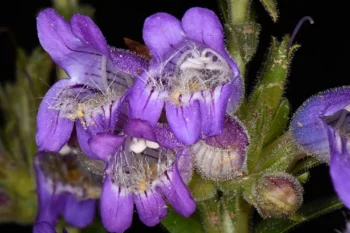
Kaiparowits Beardtongue: A Rare Utah Gem Worth Growing Responsibly
If you’re a gardener who loves rare native plants and doesn’t mind a challenge, let me introduce you to one of Utah’s most special wildflowers: the Kaiparowits beardtongue (Penstemon atwoodii). This perennial beauty is as exclusive as it gets in the gardening world – and for good reason.
What Makes This Plant So Special?
Penstemon atwoodii isn’t your average garden center find. This remarkable forb is endemic to Utah, meaning it grows naturally nowhere else on Earth. Unlike woody shrubs or trees, this herbaceous perennial dies back to the ground each winter and emerges fresh each spring from buds at or below the soil surface.
What really sets this plant apart is its rarity. The Kaiparowits beardtongue has a Global Conservation Status of S3, classified as Vulnerable. This means it’s found in only 21 to 100 locations worldwide, with between 3,000 and 10,000 individual plants in existence. That’s pretty exclusive company!
Where Does It Call Home?
This special penstemon is a true Utah native, growing exclusively in the lower 48 states within Utah’s borders. You’ll find it in its natural habitat in the rugged, beautiful landscape of southern Utah, particularly around the Kaiparowits Plateau region.
- Species observed
- No observations
Why Consider Growing Kaiparowits Beardtongue?
Despite its rarity (or perhaps because of it), there are several compelling reasons to consider this plant:
- You’ll be supporting conservation efforts by growing a vulnerable species
- It’s perfectly adapted to challenging, dry conditions that stump other plants
- The tubular flowers are magnets for hummingbirds and native bees
- It adds authentic regional character to Utah native plant gardens
- Once established, it’s incredibly drought-tolerant
The Responsible Gardener’s Approach
Here’s the important part: because this plant is vulnerable, you should only grow it if you can source it responsibly. This means:
- Never collect seeds or plants from wild populations
- Purchase only from reputable native plant nurseries that grow from legally obtained, ethically sourced material
- Consider participating in conservation seed collection programs if available
- Share seeds with other responsible gardeners to help increase cultivated populations
Creating the Right Growing Conditions
Kaiparowits beardtongue isn’t a plant for beginners or for gardeners who love to coddle their plants. This tough customer has specific needs:
Sun and Soil: Provide full sun and excellent drainage above all else. This plant evolved in rocky, well-draining soils and will quickly succumb to root rot in heavy or consistently moist conditions.
Water Needs: Once established, this drought-tolerant perennial prefers minimal supplemental watering. Overwatering is probably the quickest way to lose this plant.
Climate Considerations: Being a Utah native, it’s well-suited to areas with hot, dry summers and cold winters, typically thriving in USDA hardiness zones 4-8.
Garden Design Ideas
This rare beauty shines in specific garden settings:
- Rock gardens where drainage is naturally excellent
- Native plant collections focused on regional flora
- Xeriscaping projects that celebrate drought-tolerant plants
- Conservation gardens dedicated to rare and endangered species
Supporting Pollinators
Like other members of the penstemon family, Kaiparowits beardtongue is a pollinator powerhouse. Its tubular flowers are perfectly shaped for hummingbirds, while native bees and other beneficial insects also visit for nectar and pollen. By growing this plant, you’re supporting both rare plant conservation and pollinator habitat.
The Bottom Line
Penstemon atwoodii isn’t for every gardener or every garden. But if you’re passionate about native plants, committed to conservation, and have the right growing conditions, this vulnerable Utah endemic could be a meaningful addition to your landscape. Just remember: with great rarity comes great responsibility. Source it ethically, grow it thoughtfully, and share it generously with other conservation-minded gardeners.
Sometimes the most rewarding plants to grow are the ones that challenge us to be better gardeners and better stewards of our native flora. The Kaiparowits beardtongue is definitely one of those plants.