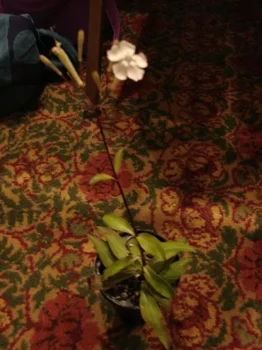
Kamalo Gulch Catchfly: Hawaii’s Critically Endangered Native Treasure
If you’ve stumbled across the name Kamalo Gulch catchfly (Silene alexandri) in your native plant research, you’ve discovered one of Hawaii’s most precious and precarious botanical gems. This isn’t your typical let’s plant it in the backyard kind of native plant – it’s a rare Hawaiian endemic that desperately needs our protection rather than our garden trowels.
What Makes This Plant So Special?
The Kamalo Gulch catchfly is a perennial shrub that’s exclusively native to Hawaii, making it part of the islands’ unique ecological heritage. As a multi-stemmed woody plant, it typically grows less than 13-16 feet tall, with several stems arising from or near the ground – quite typical for shrub growth patterns.
But here’s where things get serious: this plant is critically imperiled with a Global Conservation Status of S1, meaning there are typically only 5 or fewer occurrences left in the wild, with fewer than 1,000 individuals remaining. In the United States, it’s officially listed as Endangered.
Where Does It Call Home?
This rare catchfly is found only in Hawaii, specifically associated with the Kamalo Gulch area on Molokai – which is exactly how it got its common name. Talk about a plant with a very specific address!
- Species observed
- No observations
Should You Plant Kamalo Gulch Catchfly?
Here’s the straightforward answer: unless you’re working with official conservation organizations using responsibly sourced material, this plant shouldn’t be on your garden wish list. Here’s why:
- Extreme rarity: With so few individuals left in the wild, every plant counts toward species survival
- Specialized habitat needs: This species likely requires very specific Hawaiian growing conditions that are difficult to replicate
- Conservation priority: Resources should focus on protecting existing populations rather than cultivation
- Legal considerations: Endangered species may have legal protections regarding collection and cultivation
Supporting Conservation Instead
If you’re passionate about Hawaiian native plants and want to make a difference, consider these alternatives:
- Support Hawaiian native plant conservation organizations
- Choose other Hawaiian native plants that aren’t endangered for your garden
- Participate in habitat restoration projects
- Advocate for native plant protection
Growing Conditions and Care
While specific growing requirements for Kamalo Gulch catchfly aren’t well-documented (partly due to its rarity), as a Hawaiian endemic, it likely requires:
- Tropical climate conditions (Hawaii’s unique environment)
- Specific soil types found in its native habitat
- Particular moisture and drainage requirements
- Specialized pollinator relationships
The exact USDA hardiness zone would be tropical, suitable only for Hawaii’s climate conditions.
The Bottom Line
The Kamalo Gulch catchfly represents both the incredible diversity of Hawaiian flora and the urgent need for plant conservation. While we can’t invite this rare beauty into our gardens, we can appreciate its significance and support efforts to ensure it doesn’t disappear forever from its native Molokai home.
Sometimes the best way to love a plant is to let it be wild and work to protect the places where it naturally thrives. That’s certainly the case with this critically endangered Hawaiian treasure.