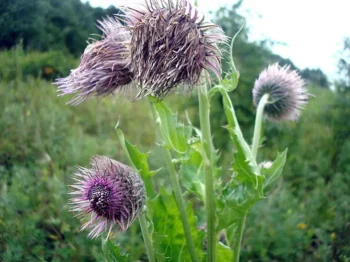
Kamchatka Thistle: Alaska’s Rare Native Gem
Meet the Kamchatka thistle (Cirsium kamtschaticum), one of Alaska’s most elusive native wildflowers. This perennial forb might not be showing up at your local garden center anytime soon, but it’s worth knowing about – especially if you’re passionate about rare native plants and conservation.
A True Alaskan Native
The Kamchatka thistle is what botanists call an endemic species – it calls Alaska home and nowhere else in the world. This herbaceous perennial belongs to the thistle family, growing as a forb without any woody stems above ground. Like other perennials, it returns year after year, with its growing points tucked safely at or below soil level to survive Alaska’s harsh winters.
Currently, this species is found only in Alaska, making it a true botanical treasure of the Last Frontier.
- Species observed
- No observations
The Rarity Factor: Handle with Care
Here’s where things get interesting (and a bit concerning). The Kamchatka thistle has a Global Conservation Status of S3?, which essentially means we’re not entirely sure how rare this is, but it’s likely uncommon. This uncertainty flag should give any gardener pause.
If you’re considering growing this plant, proceed with extreme caution:
- Only obtain seeds or plants from verified, responsible sources
- Never harvest from wild populations
- Consider supporting conservation efforts instead of personal cultivation
- Check with local botanists or conservation organizations before planting
The Great Unknown: Growing Conditions
Unfortunately, there’s a significant gap in our knowledge about how to successfully cultivate the Kamchatka thistle. We don’t have reliable information about its preferred growing conditions, ideal soil types, water requirements, or even its mature size. This lack of horticultural data suggests it’s rarely, if ever, grown in gardens.
What we can reasonably assume, given its Alaska origins:
- It’s likely very cold-hardy
- It probably tolerates short growing seasons
- It may prefer conditions similar to other northern thistles
Why Choose Native Alternatives Instead?
Given the rarity and uncertainty surrounding the Kamchatka thistle, most gardeners would be better served by choosing other native plants. If you’re drawn to thistles for their wildlife benefits – and they do provide excellent nectar for pollinators – consider these alternatives:
- Local native thistle species that are more common and better understood
- Other native plants that support pollinators without conservation concerns
- Well-documented native perennials suited to your specific region
The Bottom Line
The Kamchatka thistle represents an important piece of Alaska’s botanical heritage, but it’s not the right choice for most home gardens. Its rarity status and the lack of cultivation information make it more suitable for botanical research and conservation efforts than backyard landscaping.
If you’re passionate about supporting native plant conservation, consider donating to organizations that study and protect rare species like this one, or focus your garden efforts on well-known native plants that can thrive in cultivation while supporting local ecosystems.
Sometimes the most responsible thing we can do as gardeners is to admire from afar and let the truly rare plants remain in their wild homes, where they belong.