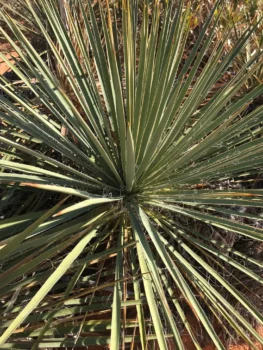
Kanab Yucca: A Rare Desert Gem for Your Native Garden
Meet the Kanab yucca (Yucca angustissima var. kanabensis), a fascinating native plant that brings a touch of the American Southwest right to your backyard. This perennial beauty might not be the most common yucca you’ll encounter, but that’s exactly what makes it special for native plant enthusiasts looking to create authentic regional landscapes.
What Makes Kanab Yucca Special?
The Kanab yucca is a true American native, calling the southwestern United States home. You’ll find this distinctive variety naturally growing in Arizona and Utah, where it has adapted beautifully to desert conditions over thousands of years. Also known by its synonym Yucca kanabensis, this plant represents the incredible diversity within the yucca family.
What sets this variety apart is its classification as a forb herb – essentially a perennial plant without significant woody tissue above ground. This means it maintains its dramatic architectural form year after year while staying relatively low-maintenance, a perfect combination for busy gardeners.
Where Does Kanab Yucca Grow?
This southwestern native has a relatively limited range, growing naturally in Arizona and Utah. Its restricted distribution makes it a special addition to gardens within or near its native range, where it can truly thrive in familiar conditions.
- Species observed
- No observations
A Word About Rarity
Here’s something important to know: Kanab yucca has a Global Conservation Status of S5T3?, which indicates some uncertainty about its conservation status. While this doesn’t mean it’s endangered, it does suggest we should be thoughtful about how we source and grow this plant. If you’re interested in adding Kanab yucca to your garden, make sure to purchase from reputable native plant nurseries that ethically source their plants rather than collecting from wild populations.
Why Choose Kanab Yucca for Your Garden?
There are several compelling reasons to consider this native beauty:
- Authentic regional character: Perfect for creating genuine southwestern landscapes
- Low water requirements: Ideal for xeriscaping and drought-tolerant gardens
- Year-round interest: Provides structural elements and architectural appeal
- Native wildlife support: Like other yuccas, it likely supports specialized pollinators and desert wildlife
- Perennial reliability: Once established, it returns year after year
Growing Conditions and Care
As a desert native, Kanab yucca thrives in conditions that might challenge other plants. Here’s what this hardy perennial prefers:
- Soil: Well-draining, sandy or rocky soils that mimic its natural desert habitat
- Water: Minimal watering once established – overwatering is more harmful than drought
- Sunlight: Full sun exposure, just like in its native desert environment
- Climate: Best suited for arid and semi-arid regions, likely hardy in USDA zones 5-9
Perfect for Desert and Xeriscape Gardens
Kanab yucca shines brightest in xeriscapes, rock gardens, and authentic southwestern landscapes. Its architectural form makes it an excellent focal point or accent plant, while its drought tolerance makes it a practical choice for water-conscious gardening. Consider pairing it with other native desert plants like prickly pear cactus, desert marigold, or native bunch grasses for a cohesive regional look.
Planting Tips for Success
When planting Kanab yucca, remember that good drainage is absolutely crucial. If your soil retains too much moisture, consider creating raised beds or mounds with amended, well-draining soil. Plant in spring or fall when temperatures are moderate, and water sparingly during establishment. Once settled in, this tough native will reward your patience with years of striking desert beauty.
Whether you’re creating a water-wise landscape or celebrating regional native plants, Kanab yucca offers a unique opportunity to grow something truly special – just remember to source it responsibly and give it the desert conditions it craves!