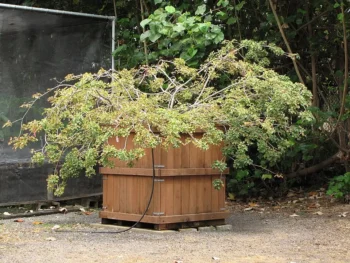
Kanaloa: Hawaii’s Rarest Native Shrub and a Conservation Success Story
Meet kanaloa (Kanaloa kahoolawensis), one of Hawaii’s most extraordinary and rarest native plants. This isn’t your typical garden center find – in fact, it’s a plant so rare that it was once thought to be extinct! If you’re passionate about Hawaiian native plants and conservation, this remarkable shrub has a story that will both inspire and humble you.
What Makes Kanaloa Special
Kanaloa is a perennial, multi-stemmed woody shrub that typically grows 13 to 16 feet tall, though it can vary depending on environmental conditions. This legume family member produces delicate yellow pea-like flowers and sports attractive silvery-green compound leaves that shimmer in Hawaii’s intense sunlight.
But here’s what makes this plant truly extraordinary: it’s endemic to a single Hawaiian island and represents one of the most dramatic conservation comeback stories in botanical history.
Where Kanaloa Calls Home
Kanaloa kahoolawensis is native exclusively to Hawaii, specifically the island of Kaho’olawe. This small, dry island has a harsh environment that shaped this tough little shrub over thousands of years.
- Species observed
- No observations
A Critical Conservation Status
Important Conservation Alert: Kanaloa has a Global Conservation Status of S1, meaning it’s critically imperiled with typically 5 or fewer occurrences remaining. It’s also listed as Endangered in the United States. This plant was actually extinct in the wild until recent restoration efforts began reintroducing it to its native habitat.
If you’re considering growing kanaloa, please understand that this should only be done with plant material that has been responsibly sourced from authorized conservation programs or botanical institutions.
Growing Conditions and Care
Kanaloa evolved in some pretty tough conditions, and it shows in its preferences:
- Climate: USDA zones 10-11 (tropical conditions only)
- Soil: Dry, rocky, well-draining soils
- Water: Extremely drought tolerant once established
- Sun: Full sun exposure
- Conditions: Coastal, arid environments
Why You Probably Shouldn’t (and Can’t) Grow This Plant
Let’s be honest – kanaloa isn’t a plant for the typical home gardener, even in Hawaii. Here’s why:
- It’s extremely difficult to cultivate and requires specialized expertise
- Seeds and plants are not commercially available
- Growing it requires participation in authorized conservation programs
- It needs very specific environmental conditions that are hard to replicate
How You Can Support Kanaloa Conservation
Instead of trying to grow this rare beauty yourself, consider these ways to support its conservation:
- Support Hawaiian native plant societies and botanical gardens
- Visit botanical collections where kanaloa is displayed
- Choose other native Hawaiian plants for your garden
- Donate to island restoration programs
Native Hawaiian Alternatives for Your Garden
If you’re inspired by kanaloa’s story and want to grow native Hawaiian plants, consider these more readily available options:
- Hawaiian tree cotton (Gossypium tomentosum)
- Naupaka (Scaevola taccada)
- Hawaiian hibiscus species
- Ohia lehua (Metrosideros polymorpha)
The Bigger Picture
Kanaloa kahoolawensis represents both the fragility and resilience of Hawaii’s native ecosystems. While you probably won’t be planting this rare shrub in your backyard, its story reminds us why protecting and cultivating native plants matters so much.
Every native plant we choose for our gardens – even the more common ones – helps support the web of life that makes Hawaii’s landscapes so unique. And who knows? Your passion for native gardening today might contribute to conservation success stories like kanaloa’s tomorrow.