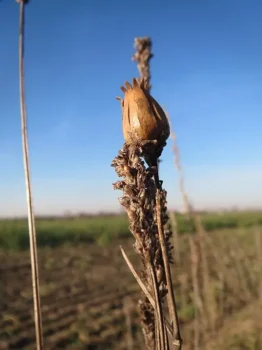
Kauai Catchfly: A Critically Endangered Hawaiian Native Worth Protecting
Meet the Kauai catchfly (Silene lanceolata), one of Hawaii’s most precious and endangered native plants. This remarkable perennial shrub is found nowhere else on Earth except the island of Kauai, making it a true botanical treasure that deserves our attention and protection.
A Rare Hawaiian Endemic
The Kauai catchfly is endemic to Hawaii, meaning it evolved naturally on the islands and exists nowhere else in the world. This special plant calls only the island of Kauai home, where it grows in dry to mesic forest areas. Unfortunately, its geographic distribution is extremely limited, which contributes to its precarious conservation status.
- Species observed
- No observations
Conservation Alert: Critically Imperiled Status
Here’s something every gardener needs to know: Kauai catchfly has a Global Conservation Status of S1, which means it’s critically imperiled. With typically five or fewer occurrences and very few remaining individuals (fewer than 1,000), this plant is also listed as Endangered. If you’re considering adding this species to your garden, it’s crucial to source plants only through responsible channels that support conservation efforts rather than wild collection.
What Does Kauai Catchfly Look Like?
Silene lanceolata is a perennial shrub that typically grows as a multi-stemmed woody plant. Like most shrubs, it usually stays under 13-16 feet in height, with several stems arising from or near the ground. The plant gets its common name catchfly from the sticky nature typical of plants in the Silene genus, and lanceolata refers to its narrow, lance-shaped leaves.
Growing Conditions and Care
If you’re fortunate enough to obtain responsibly sourced Kauai catchfly, here’s what you need to know about its preferences:
- Climate: Thrives in USDA hardiness zones 10-11, requiring tropical conditions
- Habitat: Prefers dry to mesic (moderately moist) forest conditions
- Soil: Well-draining soils are essential
- Location: Best suited for specialized native Hawaiian gardens or conservation gardens
Role in Your Garden
Kauai catchfly isn’t your typical garden center find, and that’s exactly what makes it special. This plant is best suited for:
- Native Hawaiian plant collections
- Conservation-focused gardens
- Educational botanical displays
- Specialized rare plant collections
Supporting Native Pollinators
While specific pollinator relationships for Kauai catchfly aren’t well-documented, native Hawaiian Silene species typically attract native moths and other indigenous pollinators. By growing this plant responsibly, you’re supporting the intricate web of native Hawaiian ecology.
Should You Grow Kauai Catchfly?
The answer depends on your commitment to conservation and your ability to source plants responsibly. Given its critically imperiled status, this isn’t a plant for casual gardeners. However, if you:
- Are passionate about Hawaiian native plants
- Can source plants from legitimate conservation programs
- Have experience with rare plant cultivation
- Want to contribute to species preservation
Then growing Kauai catchfly could be a meaningful way to participate in conservation efforts while enjoying one of Hawaii’s rarest botanical gems.
The Bottom Line
Kauai catchfly represents both the beauty and fragility of Hawaiian native flora. While its rarity makes it challenging to obtain and grow, responsible cultivation can play a role in species preservation. If you’re drawn to this remarkable plant, connect with Hawaiian native plant societies, botanical gardens, or conservation organizations to learn about legitimate sources and proper growing techniques. Remember, every plant saved counts when you’re dealing with fewer than 1,000 individuals remaining in the wild.