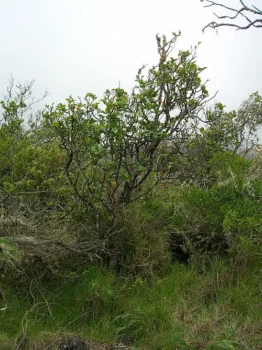
Kauai Pricklyash: A Rare Hawaiian Native Worth Protecting in Your Garden
Meet the Kauai pricklyash (Zanthoxylum kauaense), a fascinating native Hawaiian tree that’s as unique as its name suggests. This endemic species brings a piece of authentic Hawaiian flora to your landscape, but it comes with both opportunities and responsibilities for the conscientious gardener.
What Makes Kauai Pricklyash Special?
The Kauai pricklyash is a perennial tree native exclusively to Hawaii, making it a true island treasure. As its common name suggests, this species has particular ties to Kauai, though it can be found on other Hawaiian islands as well. What sets this plant apart is its aromatic foliage that releases a distinctive scent when crushed, along with its thorny branches that give it the pricklyash moniker.
This tree produces small, cream-colored flowers arranged in clusters, creating a subtle but attractive display. The compound leaves and thorny stems give it an interesting architectural quality that can add texture and authenticity to native Hawaiian landscapes.
Geographic Distribution
Zanthoxylum kauaense grows naturally in Hawaii, where it’s endemic to the island chain. This means you won’t find it anywhere else in the world naturally – making it a truly special addition to any garden focused on native Hawaiian plants.
- Species observed
- No observations
A Word of Caution: Rarity Status
Here’s where things get important: the Kauai pricklyash has a Global Conservation Status of S2, meaning it’s considered Imperiled. With typically only 6 to 20 occurrences and few remaining individuals (1,000 to 3,000), this species is extremely rare and vulnerable to extinction.
What this means for gardeners: If you’re interested in growing this remarkable native, you absolutely must source it responsibly. Only purchase plants from reputable native plant nurseries that propagate from legally and ethically obtained seeds or cuttings. Never collect from wild populations.
Growing Kauai Pricklyash Successfully
If you can source this plant responsibly, here’s what you need to know about growing it:
Ideal Growing Conditions
- Climate: USDA hardiness zones 10-12 (tropical and subtropical climates)
- Sunlight: Full sun to partial shade
- Soil: Well-draining soils are essential
- Water: Drought tolerant once established, but benefits from occasional watering
Planting and Care Tips
- Choose a location protected from strong winds, especially when the tree is young
- Be mindful of the thorny branches when placing it near walkways or high-traffic areas
- Once established, this tree requires minimal maintenance
- Young plants may need some protection and regular watering until their root systems develop
Garden Design and Landscape Role
The Kauai pricklyash works beautifully in several garden settings:
- Native Hawaiian gardens: Perfect for authentic Hawaiian landscapes
- Xerophytic gardens: Great for drought-tolerant landscaping
- Botanical collections: A prized specimen for plant enthusiasts
- Restoration projects: Valuable for native habitat restoration efforts
Benefits for Pollinators and Wildlife
The small flowers of Kauai pricklyash attract native Hawaiian insects and flies, making it a valuable addition to pollinator-friendly gardens. As a native species, it supports the local ecosystem in ways that non-native plants simply cannot.
Should You Plant Kauai Pricklyash?
The answer is a cautious yes – but only if you can source it responsibly and are committed to its care. This rare native deserves a place in Hawaiian gardens, but we must balance cultivation with conservation. By growing responsibly sourced Kauai pricklyash, you’re not just adding a unique plant to your landscape; you’re participating in the preservation of Hawaiian botanical heritage.
Consider this plant if you’re passionate about native Hawaiian flora, have the appropriate climate, and want to contribute to conservation efforts. Just remember: with rare plants comes great responsibility. Always verify that any plant you purchase was propagated ethically and legally, never collected from wild populations.
The Kauai pricklyash may be thorny and rare, but for the right gardener in the right location, it offers a chance to grow something truly special – a living piece of Hawaii’s natural history.