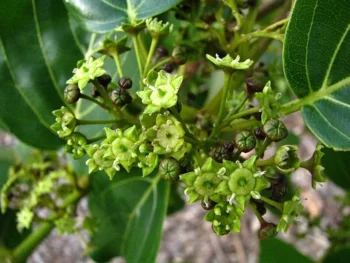
Kauila: A Precious Hawaiian Native Worth Protecting in Your Garden
If you’re passionate about native Hawaiian plants and conservation gardening, you’ve probably heard whispers about kauila (Colubrina oppositifolia). This remarkable little shrub might not be the showiest plant in the native Hawaiian palette, but it’s certainly one of the most important—and unfortunately, one of the rarest.
What Makes Kauila Special?
Kauila is a perennial shrub that’s endemic to Hawaii, meaning it exists nowhere else on Earth. This woody plant typically grows as a multi-stemmed shrub, usually staying under 13-16 feet tall, though it can occasionally grow taller or develop a single trunk depending on its environment. Its simple, opposite leaves and small greenish flowers might seem modest, but don’t let that fool you—this plant is a true Hawaiian treasure.
A Critical Conservation Story
Here’s the important part every gardener needs to know: kauila is critically imperiled with a conservation status of S1 and is listed as endangered in the United States. This means there are typically only five or fewer known populations, with very few remaining individuals in the wild—fewer than 1,000 plants total.
If you’re considering adding kauila to your garden, this rarity status is crucial to understand. While we absolutely encourage growing this beautiful native, it must be done responsibly with properly sourced material from reputable native plant nurseries or conservation programs.
Where Kauila Calls Home
This endemic Hawaiian species originally thrived in the dry forests and coastal areas throughout the Hawaiian islands. Today, its natural range has been severely reduced due to habitat loss and other environmental pressures.
- Species observed
- No observations
Is Kauila Right for Your Garden?
Kauila can be a wonderful addition to the right garden, but it’s not for everyone. Here’s what to consider:
Perfect for:
- Native Hawaiian plant gardens
- Conservation-focused landscapes
- Drought-tolerant xeriscapes
- Educational or demonstration gardens
- Coastal properties with challenging growing conditions
Growing Conditions:
Kauila is surprisingly adaptable once you understand its preferences. This hardy shrub thrives in:
- Well-draining soils (excellent drainage is essential)
- Full sun to partial shade
- USDA hardiness zones 10-12 only
- Low-water conditions once established
Planting and Care Tips
Growing kauila successfully is all about mimicking its natural habitat:
- Drainage is king: Plant in well-draining soil or raised beds to prevent root rot
- Start with protection: Young plants benefit from some wind protection while establishing
- Water wisely: Provide regular water during establishment, then reduce to minimal supplemental watering
- Be patient: Like many native Hawaiian plants, kauila can be slow to establish but becomes quite resilient
Supporting Pollinators and Wildlife
While kauila’s flowers might be small, they play an important role in supporting native Hawaiian pollinators and insects. By growing this plant, you’re helping maintain critical habitat for Hawaii’s native ecosystem.
The Bottom Line
Kauila represents both an opportunity and a responsibility. If you have the right growing conditions and can source plants ethically, growing kauila is a meaningful way to participate in Hawaiian plant conservation. Just remember—with great plants comes great responsibility. Always purchase from reputable sources, never collect from the wild, and consider your kauila plants as ambassadors for Hawaii’s incredible but threatened native flora.
Before planting, connect with local native plant societies or botanical gardens to ensure you’re supporting conservation efforts rather than inadvertently contributing to the problem. Your garden could become a small but important refuge for this precious Hawaiian endemic.