Kaweah Lakes Fawnlily: A Rare Sierra Nevada Gem for Your Native Garden
If you’re passionate about native plants and love discovering botanical treasures, the Kaweah Lakes fawnlily (Erythronium pusaterii) might just capture your heart. This delicate spring ephemeral is one of California’s most specialized native wildflowers, offering both beauty and a connection to the unique ecosystems of the Sierra Nevada mountains.
What Makes This Fawnlily Special?
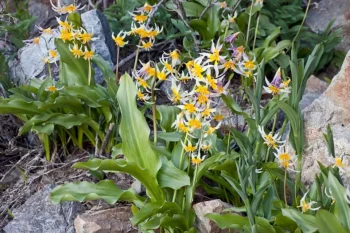
The Kaweah Lakes fawnlily is a perennial forb that belongs to the lily family, distinguished by its graceful nodding flowers and beautifully mottled leaves. Unlike its more widespread cousins, this particular species has a very limited range, making it a true botanical specialty. During its brief spring appearance, it produces elegant white to cream-colored flowers that seem to dance above pairs of distinctive spotted leaves.
Where Does It Call Home?
This fawnlily is endemic to California, specifically the Sierra Nevada region around the Kaweah Lakes area. Its extremely limited geographic distribution makes it one of the more exclusive native plants you might consider for your garden. The species is found only in a small portion of the Golden State, where it has adapted to very specific mountain conditions.
- Species observed
- No observations
A Word of Caution: Rarity Matters
Before we dive into growing tips, it’s crucial to understand that the Kaweah Lakes fawnlily has a Global Conservation Status of S3, meaning it’s considered vulnerable. With typically only 21 to 100 occurrences and between 3,000 and 10,000 individuals in the wild, this plant deserves our respect and careful consideration.
If you’re interested in growing this species, please ensure you source it only from reputable native plant nurseries that propagate it responsibly. Never collect plants or bulbs from wild populations, as this can harm already vulnerable ecosystems.
Garden Appeal and Landscape Role
Despite its rarity, the Kaweah Lakes fawnlily can be a stunning addition to specialized native plant gardens. Here’s what it brings to the table:
- Early spring blooms that provide nectar for native pollinators emerging from winter
- Distinctive mottled foliage that adds texture and interest
- A conversation starter for fellow native plant enthusiasts
- Educational value about California’s unique flora
Best Garden Settings
This fawnlily isn’t for every garden, but it can thrive in the right conditions:
- Rock gardens that mimic mountain conditions
- Specialized native plant collections
- Woodland gardens with dappled shade
- Educational or botanical demonstration gardens
Growing Conditions and Care
Successfully growing Kaweah Lakes fawnlily requires mimicking its natural mountain habitat:
- Light: Partial shade to filtered sunlight
- Soil: Well-draining, rocky or sandy soil that doesn’t stay wet
- Water: Moist conditions during spring growing season, dry summer dormancy
- Climate: Cool temperatures, suitable for USDA hardiness zones 7-9
The key to success is understanding this plant’s natural rhythm. It emerges in early spring, blooms, sets seed, and then goes completely dormant during hot, dry summer months. Don’t panic when it disappears – it’s just taking a well-deserved rest underground!
Planting and Care Tips
If you’ve sourced responsibly-propagated bulbs, here’s how to give them their best shot:
- Plant bulbs in fall, about 3-4 inches deep
- Choose a location that stays cool and receives morning sun but afternoon shade
- Ensure excellent drainage – soggy conditions are a death sentence
- Mulch lightly with decomposed granite or small gravel
- Water regularly during spring growth, then allow complete summer dormancy
- Be patient – it may take a few years to establish and bloom consistently
Supporting Pollinators
One of the wonderful benefits of growing Kaweah Lakes fawnlily is its value to early-season pollinators. Native bees and other insects that emerge in early spring rely on plants like this for their first nectar sources of the year. By providing this resource, you’re supporting the broader ecosystem of beneficial insects.
Is This Plant Right for Your Garden?
The Kaweah Lakes fawnlily isn’t for everyone, and that’s okay! Consider this species if you:
- Are passionate about rare native plants
- Have experience with challenging or specialized plants
- Can provide the specific growing conditions it needs
- Are committed to responsible gardening practices
- Want to support conservation through cultivation
If you’re new to native gardening or looking for easier options, consider starting with more common California natives before tackling this specialized beauty.
A Final Thought on Conservation
Growing the Kaweah Lakes fawnlily is more than just adding another plant to your garden – it’s participating in conservation. By supporting responsible propagation and cultivation of rare natives, we help ensure that future generations can appreciate these botanical treasures. Just remember: always source responsibly, never collect from the wild, and consider your garden a small sanctuary for California’s incredible plant diversity.