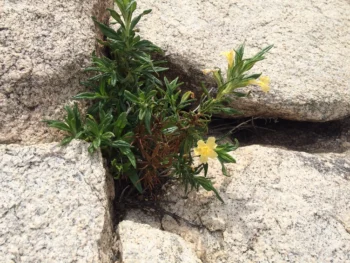
Kaweah River Bush Monkeyflower: A California Native Worth Knowing
Meet the Kaweah River bush monkeyflower (Diplacus calycinus), a charming native shrub that’s as unique as its name suggests. This California endemic might not be the most well-known plant in your local nursery, but it deserves a spot on every native plant enthusiast’s radar.
What Makes This Plant Special?
The Kaweah River bush monkeyflower is a true California native, belonging to a group of plants that have called the Golden State home for thousands of years. As a perennial shrub, this woody beauty offers year-round structure to your garden while supporting local ecosystems in ways that non-native plants simply can’t match.
Where Does It Grow Wild?
This special monkeyflower is found exclusively in California, making it a true regional treasure. Its distribution is quite limited, which adds to both its uniqueness and its conservation importance.
- Species observed
- No observations
A Note About Rarity
Here’s something important to know: Diplacus calycinus has a conservation status that suggests it may be of concern. With a Global Conservation Status of S3?Q, this plant exists in that uncertain zone where we’re not entirely sure about its population stability. What does this mean for gardeners? If you’re lucky enough to find this plant available, make sure you’re getting it from a reputable source that uses responsibly collected seeds or ethically propagated stock.
Garden Design Potential
As a shrub, the Kaweah River bush monkeyflower can serve multiple roles in your landscape:
- Provides structural backbone as a mid-sized woody plant
- Typically stays under 13-16 feet tall, making it suitable for most residential landscapes
- Multi-stemmed growth habit creates natural, informal screening
- Perfect for California native plant gardens and water-wise landscapes
The Native Advantage
Choosing native plants like the Kaweah River bush monkeyflower isn’t just about aesthetics—it’s about creating a garden that works with nature rather than against it. Native plants have co-evolved with local wildlife, soil conditions, and climate patterns over millennia. This means they’re naturally adapted to thrive with minimal inputs once established.
While we don’t have extensive data on this specific species’ wildlife benefits, monkeyflowers as a group are generally appreciated by pollinators and other garden visitors. By choosing natives, you’re supporting the complex web of relationships that make healthy ecosystems possible.
Growing Considerations
Unfortunately, detailed growing information for this specific species is limited, which isn’t uncommon for rare or narrowly distributed natives. However, based on its shrub classification and California origin, it’s likely adapted to the state’s Mediterranean climate patterns—wet winters and dry summers.
If you’re considering adding this plant to your garden, here’s what to keep in mind:
- Source plants only from reputable native plant nurseries
- Ask specifically about the plant’s provenance (where the parent plants or seeds originated)
- Consider it for water-wise, California-appropriate landscapes
- Be patient—native plants often take time to establish but reward you with longevity
The Bottom Line
The Kaweah River bush monkeyflower represents something special in the gardening world: a chance to grow a piece of California’s natural heritage while potentially supporting conservation efforts. While it may not be the easiest plant to find or the most documented species to grow, it offers the irreplaceable value that only true natives can provide.
If you’re passionate about native plants and committed to responsible gardening practices, this unique monkeyflower could be a meaningful addition to your landscape. Just remember to source it ethically and appreciate it for the rare treasure it is.