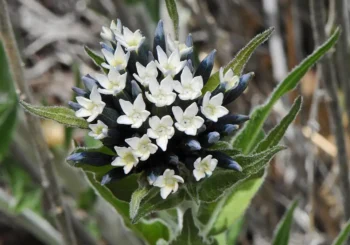
Kearney’s Bluestar: A Rare Arizona Native Worth Protecting
If you’re passionate about native plants and conservation, you may have heard whispers about Kearney’s bluestar (Amsonia kearneyana) – one of Arizona’s most endangered wildflowers. This tiny perennial herb might not grab attention like a towering saguaro, but its story is one of resilience, rarity, and the urgent need for conservation.
What Makes Kearney’s Bluestar Special
Kearney’s bluestar is a delicate perennial forb – essentially a non-woody flowering plant that comes back year after year. Unlike its more common cousins in the Amsonia family, this little gem is found only in Arizona, making it a true endemic treasure of the American Southwest.
The plant produces clusters of small, star-shaped blue flowers that give the genus its bluestar name. While modest in stature, these blooms are perfectly adapted to their harsh desert environment and likely provide nectar for specialized pollinators including native bees and small butterflies.
Where Does It Grow?
Amsonia kearneyana has an extremely limited range, growing only in specific locations within Arizona. This restricted distribution is part of what makes it so vulnerable and precious.
- Species observed
- No observations
A Plant in Peril
Here’s where things get serious: Kearney’s bluestar is classified as Endangered in the United States and has a Global Conservation Status of S1, meaning it’s critically imperiled. With typically 5 or fewer known occurrences and very few remaining individuals (fewer than 1,000), this plant is dancing on the edge of extinction.
This rarity status means that if you’re interested in growing Kearney’s bluestar, you need to be extremely thoughtful about sourcing. Only obtain plants or seeds through legitimate conservation programs, botanical institutions, or certified native plant nurseries that can verify ethical sourcing. Never collect from wild populations – doing so could push this species closer to extinction.
Growing Kearney’s Bluestar Responsibly
Given its Arizona origins, Kearney’s bluestar likely thrives in:
- Well-draining, sandy or rocky soils
- Full sun to partial shade conditions
- Low water requirements once established
- USDA hardiness zones 8-10
This plant is definitely not for the casual gardener. It’s best suited for specialized native plant gardens, conservation collections, or desert botanical gardens where its specific needs can be met and its conservation value appreciated.
Is This Plant Right for Your Garden?
Honestly? Probably not, unless you’re deeply committed to conservation and have access to ethically sourced material. Kearney’s bluestar is more of a look but don’t touch species that’s better appreciated in its natural habitat or in professional conservation settings.
If you’re drawn to the idea of growing bluestars, consider more common Amsonia species that aren’t endangered. These alternatives can give you the beautiful star-shaped flowers and pollinator benefits without the conservation concerns.
Why It Matters
Every endangered plant tells a story about habitat loss, climate change, or human impact. By learning about species like Kearney’s bluestar, we become better stewards of our native landscapes and more thoughtful gardeners overall.
Instead of trying to grow this rare gem, consider supporting conservation organizations working to protect Arizona’s unique flora, or focus your native gardening efforts on more common Arizona natives that can still provide beauty and ecological benefits without conservation risks.
Sometimes the most loving thing we can do for a plant is admire it from afar and work to protect the wild spaces where it belongs.