Keck’s Checkerbloom: A Rare California Treasure Worth Protecting
Meet Keck’s checkerbloom (Sidalcea keckii), one of California’s most endangered wildflowers that deserves our attention and protection. This delicate annual belongs to the mallow family and represents a true botanical treasure that’s teetering on the edge of extinction.
A Plant in Crisis
Before we dive into the beauty of this remarkable plant, there’s something crucial you need to know: Keck’s checkerbloom is critically imperiled. With a Global Conservation Status of S1 and listed as Endangered in the United States, this species typically has only 5 or fewer known occurrences and fewer than 1,000 remaining individuals in the wild. That makes it rarer than many animals we consider endangered!
Where to Find This California Native
Keck’s checkerbloom is endemic to California, meaning it grows naturally nowhere else on Earth. You’ll find it exclusively in California’s Central Valley and adjacent foothills, where it has adapted to the state’s unique Mediterranean climate over thousands of years.
- Species observed
- No observations
What Makes It Special
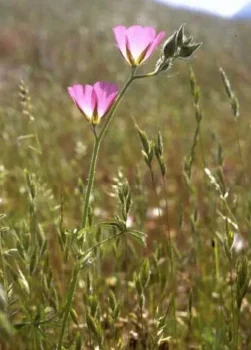
This charming annual forb produces delicate pink to rose-colored flowers arranged in terminal clusters that bloom from spring through early summer. Like other members of the mallow family, each flower features five lovely petals that create a classic cup shape. The plant grows as a non-woody herbaceous species, completing its entire life cycle within a single growing season.
Garden Appeal and Growing Conditions
If you’re lucky enough to obtain responsibly sourced seeds or plants, Keck’s checkerbloom thrives in:
- USDA hardiness zones 8-10
- Well-drained soils
- Full sun to partial shade locations
- Mediterranean climate conditions
- Native plant gardens and wildflower meadows
Pollinator and Wildlife Benefits
Despite its rarity, Keck’s checkerbloom plays an important ecological role. Its flowers attract native California bees and butterflies, providing nectar and pollen for these essential pollinators. By supporting this species, you’re helping maintain the delicate web of relationships that keep California’s ecosystems healthy.
Should You Plant Keck’s Checkerbloom?
Here’s where things get important: only plant Keck’s checkerbloom if you can source it responsibly. Due to its critically endangered status, collecting from wild populations could push this species closer to extinction. Instead:
- Purchase only from reputable native plant nurseries with documented propagation programs
- Contact local botanical gardens or conservation organizations
- Consider participating in citizen science or conservation efforts
- Support habitat restoration projects in California
Caring for Your Conservation Garden
If you do obtain Keck’s checkerbloom through responsible channels, treat it like the precious species it is. Provide excellent drainage, moderate watering during the growing season, and allow it to complete its natural annual cycle. Since it’s an annual, you’ll need to let it set seed to continue the population in your garden.
Alternative Native Choices
While working to source Keck’s checkerbloom responsibly, consider planting other California native Sidalcea species that are more readily available, such as checkermallow (Sidalcea malviflora) or white-flowered checkermallow (Sidalcea candida). These relatives offer similar beauty and ecological benefits without the conservation concerns.
Be Part of the Solution
Growing Keck’s checkerbloom isn’t just about adding a pretty flower to your garden—it’s about becoming a conservation partner. Every responsibly grown plant represents hope for this species’ survival and contributes to our understanding of how to protect California’s irreplaceable botanical heritage.
Remember: with great rarity comes great responsibility. If you choose to grow this endangered beauty, you’re not just a gardener—you’re a conservation hero helping ensure future generations can enjoy California’s natural treasures.