Kern Canyon False Goldenaster: A Rare Gem for California Native Gardens
Meet the Kern Canyon false goldenaster (Heterotheca shevockii), a little-known treasure that’s as rare as it is beautiful. This California native wildflower might not be a household name, but for gardeners passionate about preserving our botanical heritage, it’s a plant worth getting excited about—with some important caveats we’ll discuss.
What Makes This Plant Special
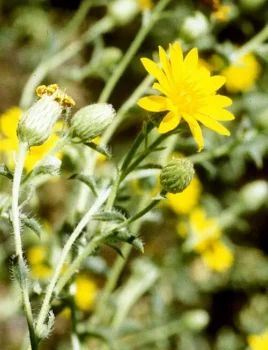
The Kern Canyon false goldenaster is a perennial forb that produces cheerful yellow daisy-like flowers from late summer into fall. As a member of the sunflower family, it shares that familiar, friendly flower form that never fails to brighten up a garden. But don’t let its modest appearance fool you—this plant is incredibly special because it’s found nowhere else in the world except for a small area in California’s Kern County.
Where It Calls Home
This endemic species is native exclusively to California, specifically the Kern River Canyon area in Kern County. Talk about being a true local! Its extremely limited geographic range makes it one of California’s botanical rarities, earning it a conservation status that gardeners should definitely know about.
- Species observed
- No observations
A Conservation Concern
Here’s where things get serious: Kern Canyon false goldenaster has a Global Conservation Status of S2, meaning it’s considered Imperiled. With typically only 6 to 20 known occurrences and possibly fewer than 3,000 individual plants remaining in the wild, this species is extremely vulnerable to extinction. This rarity status means that while we absolutely want to celebrate and grow this plant, we need to do so responsibly.
Should You Grow It?
The short answer is: maybe, but only if you can source it responsibly. If you’re lucky enough to find ethically propagated seeds or plants from reputable native plant nurseries or conservation organizations, then absolutely! Growing rare natives in cultivation can actually help preserve genetic diversity and reduce pressure on wild populations.
However, never collect seeds or plants from wild populations. This could seriously harm the already vulnerable natural communities.
Garden Role and Design Ideas
When responsibly sourced, Kern Canyon false goldenaster makes an excellent addition to:
- Native California plant gardens
- Rock gardens and drought-tolerant landscapes
- Wildlife and pollinator gardens
- Conservation collections
Its late-season blooms provide valuable nectar when many other flowers have finished for the year, making it particularly valuable for supporting pollinators like native bees and butterflies during the transition to fall.
Growing Conditions
Like many California natives, this false goldenaster is adapted to dry conditions and well-draining soils. It thrives in full sun and, once established, requires minimal water—perfect for water-wise gardening. The plant prefers the kind of sharp drainage you’d find in its native rocky canyon habitat.
This species is suited for USDA Hardiness Zones 8-10, making it appropriate for much of California’s Mediterranean climate regions.
Planting and Care Tips
If you’re fortunate enough to grow this rare beauty:
- Plant in full sun with excellent drainage
- Water regularly the first year to establish roots, then reduce watering significantly
- Avoid overwatering—this is the quickest way to lose the plant
- No fertilizer needed; it’s adapted to poor soils
- Allow natural winter dormancy
The Bigger Picture
Whether or not you end up growing Kern Canyon false goldenaster, learning about rare plants like this one reminds us why native gardening matters. Every time we choose natives over non-natives, we’re supporting the complex web of relationships between plants, pollinators, and other wildlife that make our ecosystems function.
And who knows? Maybe by growing and talking about rare beauties like this one, we’ll inspire more people to care about plant conservation. Sometimes the smallest actions in our own backyards can ripple out into bigger change.
Just remember: if you can’t find responsibly sourced Kern Canyon false goldenaster, there are plenty of other wonderful California native asters that can provide similar garden benefits while being more readily available. The important thing is that you’re gardening with natives!