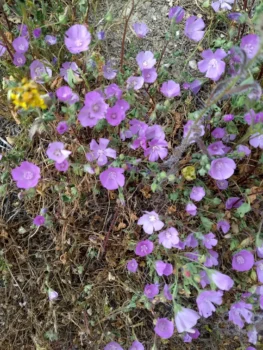
Kern Mallow: A Rare California Native Worth Protecting
Meet the Kern mallow (Eremalche parryi kernensis), one of California’s most endangered native wildflowers. This delicate annual forb might not be the showiest plant in the garden, but it carries tremendous conservation value and tells an important story about California’s disappearing natural heritage.
What Makes Kern Mallow Special
The Kern mallow is a small, herbaceous annual that belongs to the mallow family. As a forb, it’s a non-woody plant that completes its entire life cycle in a single growing season. You might also see it listed under its botanical synonyms Eremalche kernensis or Malvastrum kernensis in older references.
What makes this plant truly remarkable isn’t just its delicate beauty, but its incredible rarity. With an endangered conservation status, the Kern mallow is fighting for survival in its native habitat.
Where Does Kern Mallow Call Home?
This native California wildflower is endemic to a very specific region – it’s found only in Kern County, making it one of the state’s most geographically restricted plants. Its entire natural range is contained within this single county in the southern Central Valley.
- Species observed
- No observations
Should You Grow Kern Mallow in Your Garden?
Here’s where things get complicated. While the Kern mallow would make a fascinating addition to a native plant garden, its endangered status means you need to approach this plant with extra care and responsibility.
The Conservation Consideration
If you’re interested in growing Kern mallow, you absolutely must ensure any plants or seeds come from responsible, ethical sources. Never collect from wild populations – this could further harm already struggling communities. Instead:
- Work with reputable native plant nurseries that specialize in rare species
- Contact local botanical gardens or conservation organizations
- Consider participating in seed banking or conservation programs
- Verify that any material is legally and ethically sourced
Growing Conditions and Care
As a plant adapted to Kern County’s climate, the Kern mallow likely thrives in conditions similar to other Central Valley natives. While specific growing information is limited due to the plant’s rarity, we can make educated guesses based on its native habitat:
- Prefers full sun exposure
- Tolerates poor, well-draining soils
- Adapted to hot, dry summers and mild winters
- Likely hardy in USDA zones 8-10
- Requires minimal water once established
Planting and Care Tips
Since this is an annual plant, you’ll need to either allow it to self-seed or replant each year. The growing season likely follows typical California annual patterns, with germination after winter rains and flowering in spring.
Given its endangered status, growing Kern mallow is more about conservation than conventional gardening. If you do obtain plants legally, treat them as precious specimens and consider saving seeds to share with conservation programs.
Wildlife and Pollinator Benefits
Like other members of the mallow family, Kern mallow likely provides nectar and pollen for native bees, butterflies, and other small pollinators. By growing this plant, you’re not just adding to your garden – you’re providing habitat for the specialized insects that depend on rare native plants.
The Bottom Line
The Kern mallow represents both an opportunity and a responsibility. While it’s not a plant for every garden or every gardener, those passionate about conservation and native plant preservation might find it a meaningful addition to specialized collections.
If you’re new to native gardening, consider starting with more common California natives that provide similar benefits without conservation concerns. But if you’re experienced and committed to ethical sourcing, the Kern mallow offers a chance to participate directly in preserving California’s botanical heritage.
Remember: every rare plant grown responsibly in cultivation is a small victory for conservation. Sometimes the most important gardens are the ones that serve as arks for species that might otherwise disappear forever.